





Wolves in Wisconsin – Range Map & Safety Tips for Hikers with Dogs
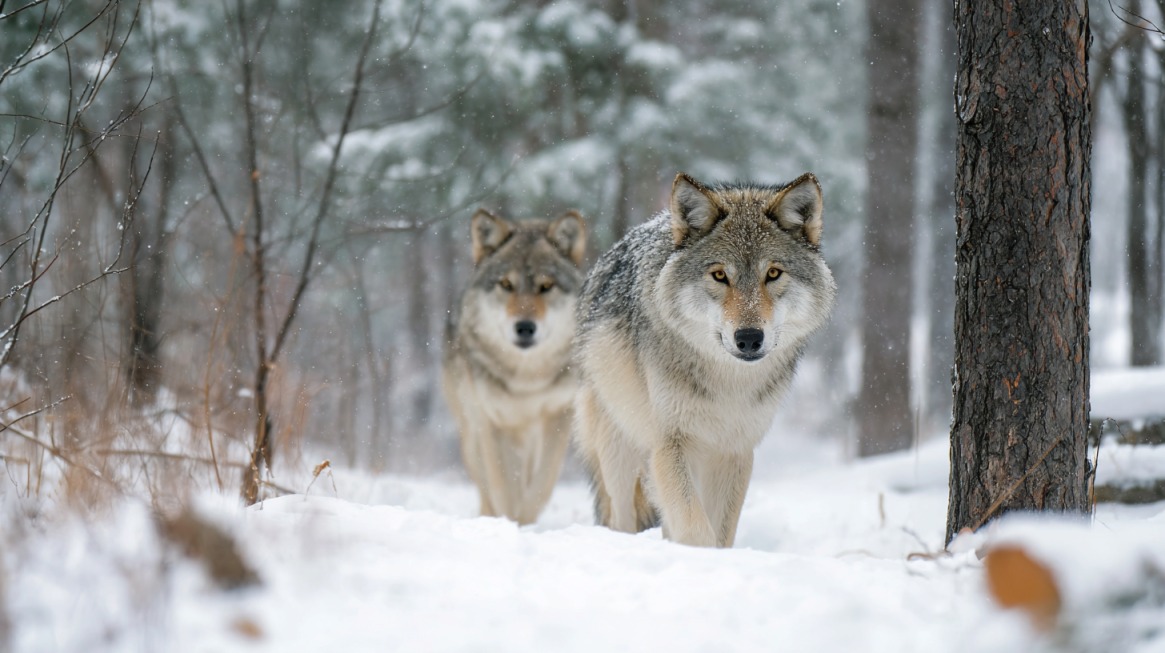
Gray wolves, scientifically known as Canis lupus, represent one of Wisconsin’s most significant wildlife recoveries after near elimination during the mid twentieth century.
State records confirmed extinction status by 1974, followed by a slow but steady return after federal protection under the Endangered Species Act.
Population growth and territorial expansion now place wolves closer to recreational areas, working forests, and rural communities. Increased overlap with human activity raises important safety considerations, especially for hikers accompanied by dogs.
Information provided here explains wolf range, behavior patterns involving dogs, and practical safety strategies suitable for Wisconsin conditions.
Wolves in Wisconsin: Background and Range
Wisconsin reported zero confirmed wolves by 1974 after decades of persecution and habitat loss.
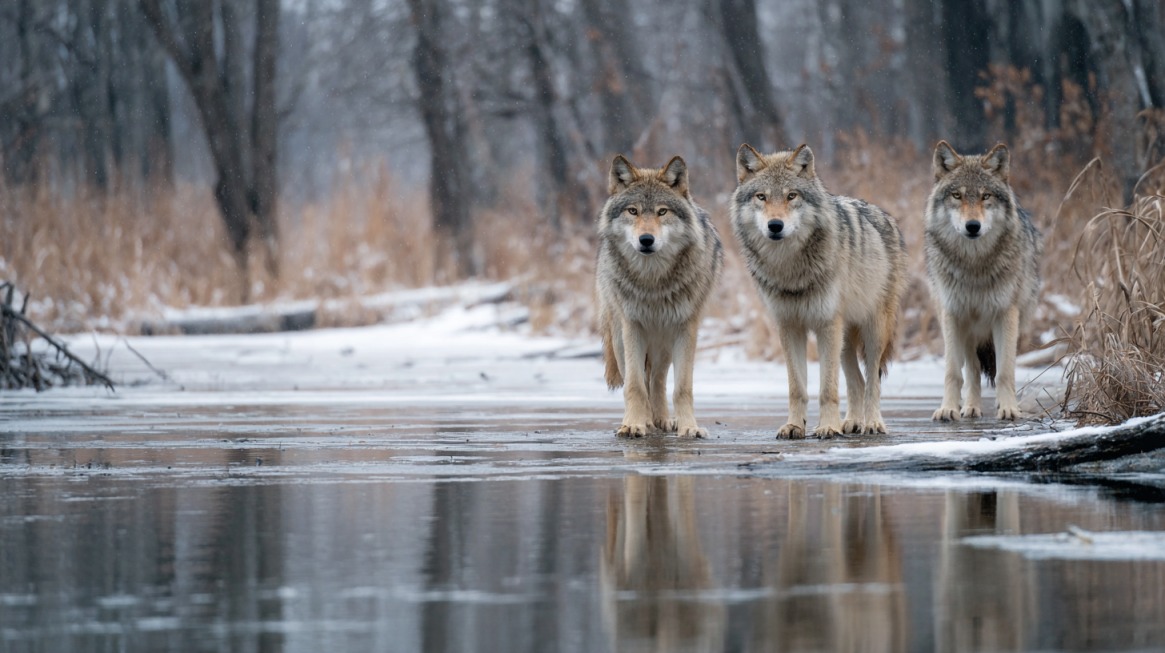
Recovery efforts began showing results by 1980, when Department of Natural Resources surveys documented 25 to 28 wolves organized within five packs.
Rapid growth followed. By 2009, population estimates reached between 626 and 662 wolves, surpassing an original recovery target of 350.
Population levels remained stable above 600 wolves into 2026, with 162 known packs distributed across northern and central portions of the state.
Legal status changed multiple times as wolves moved between endangered, threatened, and delisted categories due to court rulings.
Policy debates continue regarding long term management, hunting, and protection needs.
Wolf Habitat and Distribution
Wolves occupy mixed-use areas that include forests, agricultural land, small towns, wetlands, and bog systems.
Research conducted at the University of Wisconsin-Madison identified prey availability, especially white-tailed deer, as a primary driver of pack stability.
Lower road density supports reduced human conflict, while limited persecution improves pack survival.
Department of Natural Resources staff monitor wolves year-round using radio collars, trail cameras, and aerial tracking methods.
Sightings, depredation reports, and pack activity appear on a publicly accessible interactive mapping system managed by the agency.
Mapping and Caution Areas
Wolf Caution Areas receive designation after confirmed attacks on dogs. Public notices assist hunters, hikers, and dog owners with situational awareness.
Rendezvous sites represent areas used between mid-May and late September where pups remain while adults hunt. Defensive behavior increases sharply near these locations, especially toward dogs.
Packs often shift rendezvous sites several times per summer, sometimes using two to six or more locations across large territories.
Wolf Behavior and Conflict With Dogs
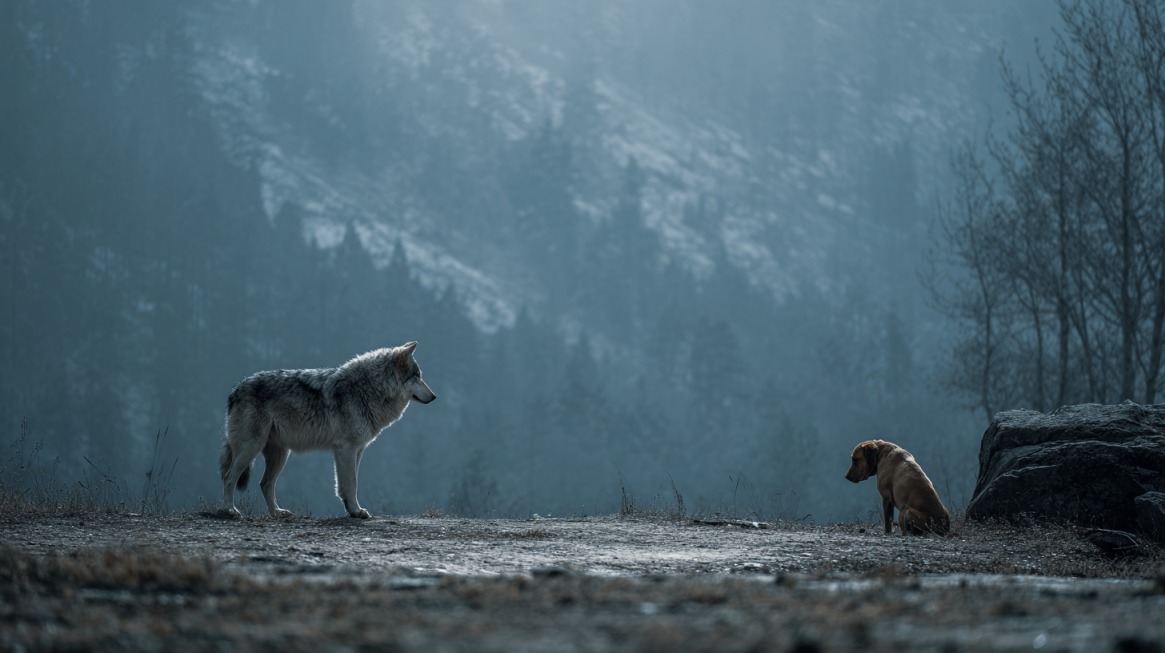
Interactions between wolves and dogs follow consistent behavioral patterns rooted in territorial defense and seasonal priorities.
Conflict rarely involves humans directly, yet dogs often become focal points due to scent, movement, and vocalization.
Risk levels shift across the year and rise sharply during periods tied to pup protection and hunting activity.
Causes of Dog Wolf Conflict
Territorial defense drives most aggressive encounters involving wolves and dogs. Areas near pups, rendezvous sites, or recent kills trigger heightened vigilance.
Dogs entering such zones may provoke rapid responses, even without visible wolves present.
Several conditions repeatedly appear in confirmed depredation cases.
- Dogs ranging far ahead of their handlers during hunts or hikes
- Vocal behavior, such as barking or baying, that attracts attention
- Solo dogs or small groups separated from people
- Proximity to active rendezvous sites during the summer months
Hunting breeds face elevated danger due to their working style. Bear training hounds and pursuit dogs often travel long distances, crossing multiple pack territories within short periods.
Free-ranging farm or yard dogs encounter similar risk when allowed to roam near forest edges.
Seasonal timing plays a major role. July through September consistently produce the highest number of incidents.
Pup defense intensifies during this window, while hound training activity increases contact between wolves and dogs.
Recent Dog Depredation Cases 2025 to 2026
Confirmed incidents during late 2025 and early 2026 reflect established seasonal and geographic patterns. Northern and central counties reported the majority of losses, primarily involving hunting hounds.
- Langlade County, September 26, 2025: five hounds killed, two injured
- Bayfield, Sawyer, Jackson, and Oneida counties: multiple individual hound fatalities
- Breeds involved: Plott hounds and Walker hounds
- Ashland County, January 2026: one uncollared hound killed
- Oconto County, December 2025: Two female Plott hounds were injured
Incidents often occurred near known pack territories or previously identified caution areas.
Lack of tracking collars complicated recovery efforts in several cases, increasing stress for handlers and wildlife officers.
Pet Dogs Near Residences
Encounters involving pet dogs occur far less often than hunting-related incidents, yet recent reports show gradual increases near rural homes bordering wolf range.
Most cases involve dogs allowed to roam freely or left outdoors during evening and early morning hours.
- Unleashed dogs moving into wooded edges or wetlands
- Nighttime or dawn activity periods
- Attractants such as livestock feed or carcasses nearby
- Absence of fencing or deterrents
Such events raise difficult questions regarding coexistence, safety, and long-term tolerance.
Prevention efforts focus on supervision, leashing, and reducing attractants rather than lethal control, aligning public safety goals with ongoing conservation priorities.
Safety Tips for Hikers With Dogs in Wolf Areas
View this post on Instagram
Wolf attacks on humans remain extremely rare across North America. Only two fatal incidents occurred during the past century, with none documented in Wisconsin.
Natural wariness leads most wolves to avoid people. Dogs present a higher risk factor due to territorial responses.
Preparation and awareness reduce potential conflict.
Encounter Response
Running increases pursuit behavior and should be avoided. Pets and children should remain close at all times. Space allowing retreat should remain open.
Standing tall, waving arms, and shouting assertively helps deter an approach. Branches or rocks may be thrown without crouching. Bear spray provides an effective deterrent if distance closes.
Dog Safety Practices
Leashes reduce risk significantly and are strongly advised. Bells attached to collars may help alert wildlife, though results vary.
Areas near rendezvous sites, bait piles, or fresh kill zones warrant avoidance. Tracks, droppings, and flattened grass signal increased risk.
Bear spray should remain accessible through hip holsters or outer pack pockets. Young wolves may display curiosity through brief following or circling behavior.
Campsite Protocols
Clean camps reduce attractants. Food and trash storage should remain over 100 yards away inside bear-resistant containers.
Dogs should never remain unattended or tethered alone outside sleeping areas. Cooking and eating should occur away from sleeping locations.
Balancing Conservation and Safety
@fishermommma It was obvious that it was in the middle of a chase & extremely exhausted, but still following the scent of it’s dinner. Such an amazing thing to witness in the wild! 🐺 #wisconsin #wisco #wolf #wolfpack #wisconsinlife #Northwoods #north #wolfdog #uppermichigan #yooper #wi #wildlife #nature #wildanimals ♬ som original – 𝙇𝙚𝙤🎙𝙁𝙡𝙖𝙨𝙝𝙗𝙖𝙘𝙠🎶🎵
Social carrying capacity influences wildlife policy. Surveys conducted during 2001 indicated public comfort with a population of nearly 350 wolves.
Later studies showed tolerance levels rising above 500 animals.
Tension exists among stakeholder groups. Hunters and ranchers often support population reduction. Animal welfare organizations advocate continued protection.
Wisconsin’s compensation program, funded through specialty license plates, caps payouts near $35,000 annually.
Actual losses during 2009 exceeded $101,000, with hound deaths accounting for more than $48,000.
Ecological Benefits
Wolves exert a strong influence on large ungulate populations, including deer and elk. Predation pressure reduces overpopulation and alters movement patterns, limiting prolonged grazing in sensitive areas.
Research led by Don Waller linked wolf presence to improved plant regeneration and reduced browsing intensity.
Deer and elk respond to risk by moving more frequently, preventing repeated feeding in the same locations.
Such changes support healthier forest structure and long-term vegetation recovery, reinforcing principles long promoted by Aldo Leopold regarding predator-prey balance and ecosystem stability.
Reporting and Resources
- Northern Wisconsin contact number: 1 800 228 1368
- Southern Wisconsin contact number: 1 800 433 0663
Wolf sightings and conflict incidents should also reach Wisconsin Department of Natural Resources offices through official reporting channels and the interactive wolf conflict map.
Dog owners should review agency guidance prior to outdoor activity.
Summary
Wolves remain an essential and recovering predator across Wisconsin ecosystems.
Conflict involving dogs occurs infrequently yet increases during specific seasons and locations.
Preparedness, caution, and responsible dog handling allow safe outdoor recreation while sharing space with a species integral to ecological balance.