



Are There Golden Eagles in Wisconsin? Everything You Need to Know
Yes, Golden Eagles do live in Wisconsin, but only as rare winter visitors, not as permanent residents. They do not nest in the state, and sightings are mostly limited to the western and southwestern regions, especially the Driftless Area.
If you’re imagining Golden Eagles soaring over lakes like Bald Eagles, that’s not their behavior in Wisconsin.
Instead, these birds appear in remote blufflands, wide grasslands, and rugged ridges during the coldest months, following specific migratory routes that pass through the Upper Midwest.
Why Golden Eagles Visit Wisconsin in the First Place
View this post on Instagram
Golden Eagles are native to the American West and far northern Canada, where they breed in cliffs, mountains, and isolated tundra. Wisconsin does not offer the steep rocky nesting habitat they require.
Instead, the state serves as a wintering ground for a small but regular group of Golden Eagles that migrate south after the northern breeding season.
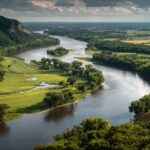
Unlike Bald Eagles, which prefer lakes, rivers, and fish, Golden Eagles favor open terrain, rolling hills, ridges, prairies, and remote bluffs. Wisconsin’s Driftless Region provides exactly that.
This unique geological area, untouched by glaciers, creates deep valleys and high ridgelines where Golden Eagles can hunt rabbits, squirrels, carrion, and medium-sized mammals throughout winter.
Because of this perfect combination of terrain and winter food availability, a small population returns every year.
Where Golden Eagles Are Seen in Wisconsin
Sightings come almost exclusively from western and southwestern Wisconsin, with reliable patterns year after year. The birds do not spread evenly across the state.
Most Common Regions
- Driftless Area, hills, bluffs, deep valleys
- Mississippi River bluffs, especially near birding hotspots
- Coulee Region, ridgetops, and agricultural openings
- Western counties with open terrain
/su_note]
Golden Eagles prefer these areas because they mimic the rugged, elevated landscapes of their western breeding grounds. They use updrafts and thermals along bluffs to soar with minimal energy losses, something that flat eastern Wisconsin cannot provide.
| Region / Habitat | Why They Prefer It |
| Driftless Area | High ridges, open slopes, strong wind currents |
| Mississippi River Bluffs | Excellent thermal lift for soaring |
| Farmland edges | Abundant prey like rabbits & ground squirrels |
| Prairie remnants | Open hunting terrain |
| Remote rural hills | Low human disturbance |
When They Appear: Wisconsin’s Golden Eagle Season
Golden Eagles are strictly winter birds in Wisconsin. They typically arrive between:
- Late November
- Peak presence in December, JanuaryAndd February
- Depart by early to mid-March
During the rest of the year, you will rarely see one; they have migrated north or west for the breeding season.
Their presence aligns with the winter population of deer carcasses (roadkill included), rabbits, and small mammals. Winter also minimizes competition from other predators, making Wisconsin a practical seasonal home.
Why People Confuse Them With Bald Eagles
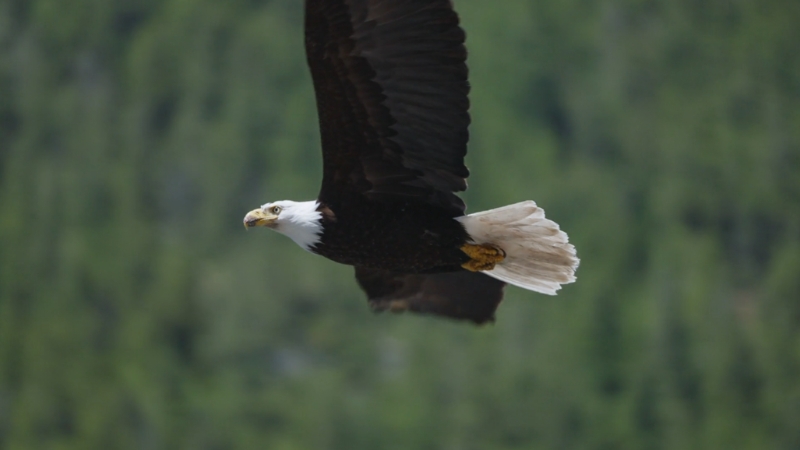
Many Wisconsin birdwatchers believe they’ve seen Golden Eagles when they’ve actually spotted juvenile Bald Eagles. Young Bald Eagles lack the white head and tail, making them look brown like Golden Eagles. But the two birds are quite different.
How to Tell Them Apart
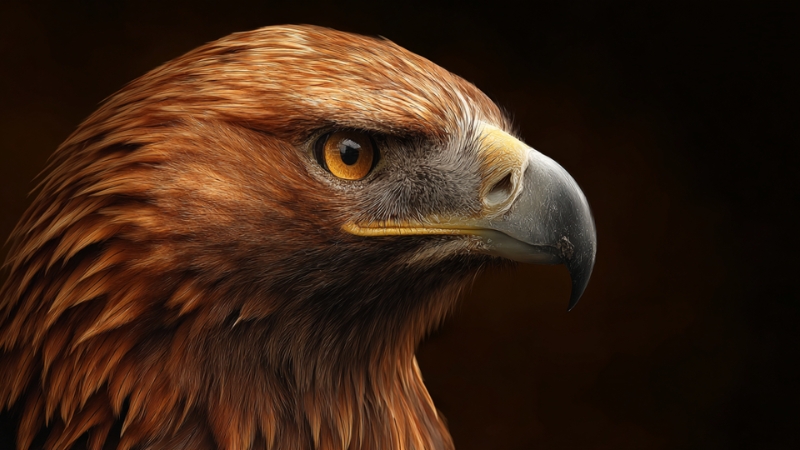
- Golden Eagles have a golden nape (back of the neck).
- Their wings are narrower, with distinct white patches on young birds.
- Their posture is flatter during flight, while Bald Eagles hold wings in a slight V.
- Golden Eagles have smaller heads relative to their wingspan.
Still, at long distances, confusion is extremely common, which is one reason sightings remain underreported or misidentified.
| Feature | Golden Eagle | Juvenile Bald Eagle |
| Head color | Golden brown | Dark brown |
| Wing shape | Long, narrow | Broader |
| Flight posture | Level, powerful | Slight dihedral (V shape) |
| Habitat in WI | Ridges, bluffs | Lakes, rivers |
| Behavior | Hunts mammals | Scavenges fish & carrion |
Evidence of Regular Wintering in Wisconsin
For years, conservation organizations like the Raptor Resource Project, National Eagle Center, and several local wildlife groups have tracked wintering Golden Eagles in Wisconsin and neighboring Minnesota. Their findings show that:
- A small but stable population returns each winter.
- Some individuals have been tracked for multiple consecutive years.
- Migration patterns show Wisconsin is part of a northern Midwest wintering route.
This means Golden Eagles aren’t accidental visitors; they’re intentional winter residents.
What Birdwatchers Should Know to Increase Their Chances
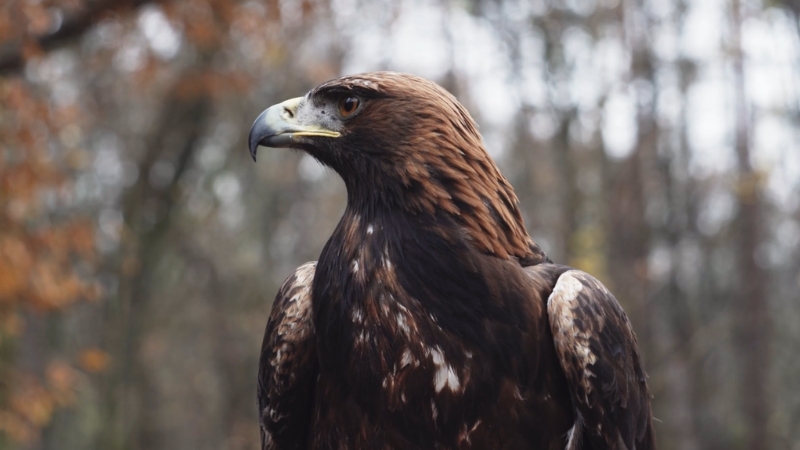
Golden Eagles don’t behave like Bald Eagles, so spotting them requires s specific strategy. They gravitate toward:
- High ridges with steady wind
- large open fields with prey
- remote blufflands
- isolated, quiet winter habitats
Your best chance is to look from elevated positions across wide valleys. Golden Eagles soar low along bluff edges, scanning slopes for movement below. They rarely perch over water or sit on ice the way Bald Eagles do.
Binoculars or a spotting scope make identification far easier because Golden Eagles are often distant silhouettes against the sky.
Are They Expanding Their Range?
There is some evidence that Golden Eagles are appearing more consistently in the Upper Midwest than they did decades ago. The combination of:
- Stable winter food sources
- increasing protections
- improved raptor awareness
- habitat conservation in blufflands
Has created safer routes for migrating golden eagles in winter. But Wisconsin still lacks the rocky cliffs and remote uplands they need to nest. So while winter sightings may increase, year-round residency is still unlikely.
Summary
@sams.family.outdoors Golden Eagle on the lake today. Eagles are nature's cleaners helping clean up the environment & reducing the spread of diseases. #goldeneagle #eagles #outdoors #hunters #nature ♬ Fly Like An Eagle - Remastered 2017 - Steve Miller Band
Golden Eagles are one of the rarest raptors to see in Wisconsin, but winter brings a reliable, small population to the Driftless Region and nearby areas.
They do not breed here; they avoid lakes and rivers, and they require open, rugged terrain to thrive during their stay.
If you want to see one, winter is your window, and western Wisconsin is your destination.