



A Guide to Wisconsin’s 2026 Sturgeon Run – What to Know?
Wisconsin’s Winnebago System supports one of North America’s largest lake sturgeon populations, a fact that has shaped generations of winter tradition on the ice.
Only two places on the continent allow lake sturgeon harvest by spear through ice, with Black Lake in Michigan as the only counterpart.
Modern spearing seasons began in 1932, and nearly a century later, the practice remains deeply tied to family history, shared time in shanties, and long-standing social bonds.
No residency requirement exists for participation, even though most spearers live within 60 miles of the Winnebago System.
Read more: Check out the most beautiful lakes in Wisconsin!
2026 Sturgeon Run Season Details
| Category | Details |
|---|---|
| Start Date | February 14, 2026 |
| End Date | March 1, 2026, or when harvest caps are reached |
| Hours | 7:00 AM – 1:00 PM |
| Registration Deadline | Fish must be registered by 2:00 PM on the same day as harvest |
| Locations | Wisconsin DNR-operated registration stations |
Preparation for the 2026 season begins long before ice forms, with a clear structure guiding daily activity once spearing begins. Season activity opens on February 14, 2026, at 7:00 AM.
Daily spearing continues until March 1, 2026, or until harvest caps are met, whichever occurs first. Legal spearing hours run each day starting at 7:00 AM and ending at 1:00 PM, creating a focused window that balances opportunity with conservation goals.
Responsibility does not end once a fish is taken. Registration requirements ensure accurate tracking and accountability. Harvested sturgeon must be registered by 2:00 PM on the same day at a Wisconsin DNR-operated registration station.
Registration includes several required steps that contribute directly to long-term management.
@cootslures Can’t wait for Sturgeon Spearing 2026‼️🦆 #sturgeonspearing #outdoors #wisconsin #hardwater ♬ original sound – Coot’s Lures
Key actions occur during registration:
| Step | Purpose |
|---|---|
| Measure length and girth | Collected by staff for biological data |
| Weigh the fish | Documented using certified scales |
| Attach and validate carcass tag | Ensures the fish is officially counted and tracked |
Collected information feeds directly into population assessments used to set future season lengths and harvest limits. Consistent participation in registration protects the stability of the Winnebago System fishery.
Harvest Caps and Tag Rules for Sturgeon Run
| Area / System | Juvenile Females | Adult Females | Males |
|---|---|---|---|
| Lake Winnebago | 280 | 659 | 981 |
| Upriver Waters | 70 | 73 | 245 |
| System-wide Total | 350 | 732 | 1,226 |
Harvest limits play a central role in maintaining a balanced age and sex structure across the system. Separate caps apply to Lake Winnebago and the upriver lakes, reflecting different population dynamics and fishing pressure.
- 280 juvenile females
- 659 adult females
- 981 males
Upriver waters, including Lake Butte des Morts, Lake Winneconne, and Lake Poygan, follow distinct limits designed around higher encounter rates.
- 70 juvenile sturgeon
- 73 adult females
- 245 males
System-wide limits combine both areas and establish overall ceilings that trigger early-season closure once reached.
- 350 juvenile females
- 732 adult females
- 1,226 males across all waters
View this post on Instagram
Tag regulations remain strict and actively enforced. Physical carcass tags must be printed and carried on-site at all times. Digital copies displayed on mobile devices or printed receipts do not meet legal requirements. Possession of more than one copy of the same tag results in a violation.
License transfer rules differ by system. Lake Winnebago licenses remain non-transferable under all circumstances.
Upriver licenses may be transferred only to youth ages 12 through 17 or individuals holding Class A through D disability permits, ensuring limited flexibility without expanding total effort.
Licensing and Participation Rules for Sturgeon Run
View this post on Instagram
Participation rules aim to balance access with safety and conservation. Minimum age for participation is set at 12 years.
Youth reaching age 12 during the season by March 1 remain eligible to purchase a license. Military personnel on leave receive allowance to purchase licenses after standard deadlines.
License pricing remains straightforward. Wisconsin residents pay $20, while non-residents pay $65. Sales occur through the GoWild system or authorized license vendors statewide.
Deadlines vary by location and require planning. Upriver lakes operate under a permit system that limits total participation. Interested spearers must apply for a permit or purchase a preference point by August 1.
Annual drawings issue only 500 upriver permits, with selection weighted by accumulated preference points.
Lake Winnebago follows a different structure. No cap exists on license numbers, yet the purchase must occur by October 31. Missed deadlines result in lost opportunities for the season.
Upriver Lakes vs. Lake Winnebago in Sturgeon Run
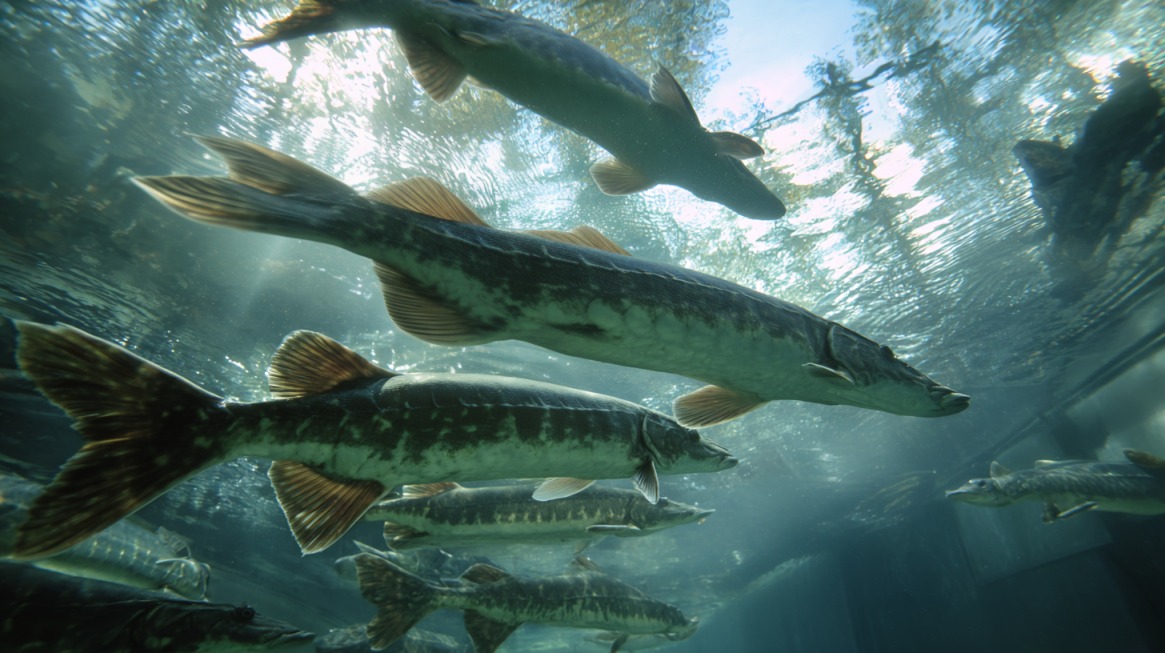
Choice of waterbody shapes the overall experience and probability of success.
Lake Winnebago offers unlimited license availability, while upriver waters restrict access to a limited number of permits. Historical harvest data show a clear contrast in outcomes.
- Approximately 9% success on Lake Winnebago
- Roughly 62% success on upriver lakes
License acquisition also differs. Lake Winnebago licenses are purchased directly without a drawing.
Upriver participation depends on a lottery system tied to preference points accumulated over time. Upriver waters include Lake Poygan, Lake Butte des Morts, and Lake Winneconne.
Tag usage remains system-specific. Spearers may only use tags in the lake system listed on the license, with no exceptions allowed.
Equipment, Technique, and Traditions
Effective spearing depends on preparation, visibility, and patience built over long hours on the ice. Essential gear focuses on maintaining a clear view into the water while protecting participants against winter conditions.
Darkened shanties play a critical role by reducing surface glare and sharpening contrast below the ice, allowing spearers to judge depth, movement, and fish size accurately.
Ice preparation follows careful planning. Spearing holes must be wide enough to safely land large fish and allow clean retrieval. Ice saws remain common, though many spearers rely on commercial cutting services to ensure consistent dimensions and smooth edges.
Spears themselves follow proven design standards. Most measure six to eight feet in length and use detachable heads that release upon impact, securing the fish while reducing the risk of tear out during retrieval.
Decoys influence sturgeon behavior and visibility beneath the ice. Movement, color, and shape all matter, and personal preference often develops over years of experience.
- Hand-carved wooden fish, shaped and painted to mimic natural prey
- Repurposed household items, such as jello molds or coffee cups, that create flash and motion
- Compact discs used to reflect ambient light through the ice
Rules governing decoy use remain strict. Every decoy must be retrievable at all times, and illumination of any kind remains prohibited. Glow sticks, battery-powered lights, and similar devices are not allowed under any circumstances.
Minnows may supplement decoy use under clearly defined conditions. Sealed containers are required, and transport must comply with Viral Hemorrhagic Septicemia regulations to prevent disease spread between waters. Compliance protects both the sturgeon population and the broader aquatic system.
Technology limits preserve traditional methods that define the season. Policy decisions supporting these restrictions came through direct spearer survey feedback and formal recommendations issued by the Wisconsin Conservation Congress.
Summary
Wisconsin’s 2026 sturgeon run spearing offers seasoned veterans and first-time participants a chance to take part in a historic winter practice grounded in conservation and community.
Updated regulations, harvest caps, and license requirements demand preparation and attention to detail.
Time spent on the ice often becomes as meaningful as the harvest itself, shaping memories that return with each season on the Winnebago System.