




Wisconsin School Referendums – How Facility Upgrades Support Student Learning
Wisconsin school referendums are local ballot questions that give school districts permission to raise funds above state-imposed revenue limits.
Voters use these ballot measures to decide if a district can collect additional local property tax money for school needs.
Two major kinds of referendums appear in Wisconsin school elections.
Operational referendums pay for ongoing costs, such as staffing, academic programs, transportation, counseling, instructional services, and other day-to-day student supports.
April 2026 showed how important these questions have become across Wisconsin schools. Voters considered about 75 referendums, and 46 of 75 passed. Capital proposals had a stronger approval rate, with 9 of 12 approved.
Those results show that many communities see facility upgrades as a direct investment in student learning.
Growing Reliance on Local Referendums
Many Wisconsin school districts have turned to local referendums because regular school funding has not kept pace with need.
- Stagnant state funding
- Inflation
- Declining enrollment
- Deferred maintenance
- Aging buildings
As costs rise, districts often face a choice between delaying repairs and asking voters for added support.
More than $1 billion in school referendum requests appeared on Wisconsin ballots in April 2026.
Approved measures totaled more than $564 million in increased property taxes. Those figures show both the size of district needs and the level of local responsibility now placed on voters.
Communities often want strong schools, skilled teachers, safe buildings, and strong student programs. Property taxpayers, at the same time, worry about rising costs. That tension makes clear communication essential.
Districts must show how each dollar connects to student learning, safety, access, and long-term facility stability.

- A roof repair can protect classrooms and prevent disruptions.
- An HVAC upgrade can improve comfort and attention.
- A secure entrance can support student and staff safety.
- A renovated classroom can create better space for instruction.
Referendums succeed more often when voters can see a clear link between the request and daily school life.
HVAC, Plumbing, Lighting, and Infrastructure
Infrastructure upgrades may be less visible than new classrooms, yet they strongly affect daily learning.
HVAC, plumbing, lighting, electrical, fire safety, drainage, sidewalks, pavement, and building exteriors all shape comfort, safety, reliability, and access.
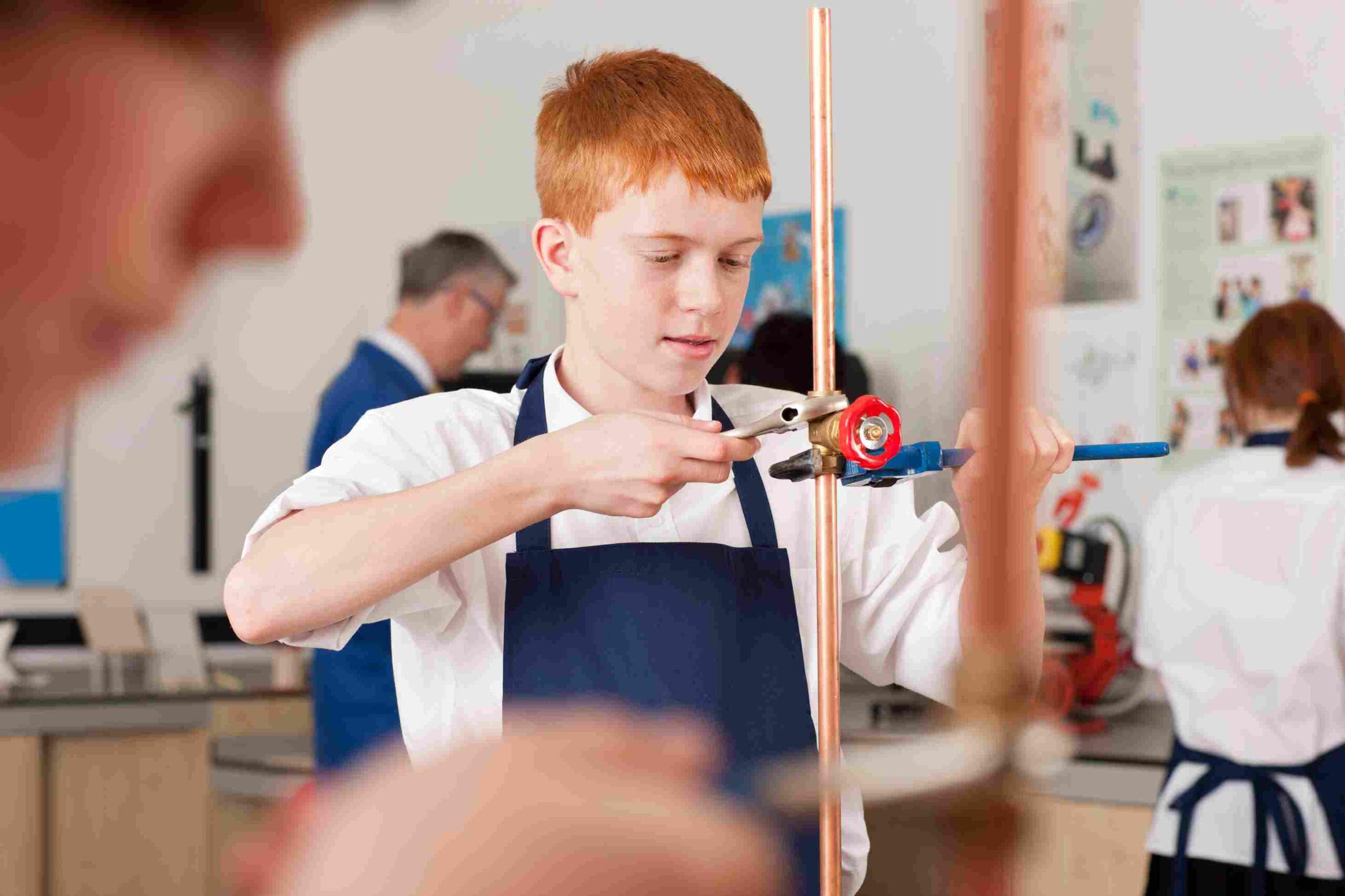
- Replacing outdated HVAC controls and cooling equipment
- Updating water heaters, softeners, and booster pumps
- Installing LED lighting in classrooms and hallways
- Improving stormwater drainage
- Repairing sidewalks, pavement, concrete, and building exteriors
Exterior upkeep can also include painting, coating, and surface repairs that protect school buildings and help campuses look cared for. Districts planning this type of work often consult experienced painters serving Wisconsin alongside other facility and maintenance professionals as part of broader maintenance planning.
Sauk Prairie’s proposed capital referendum funds were intended for HVAC and plumbing updates, fire safety sprinklers, loading dock removal near a playground, and additional space.
Those items show how infrastructure work can connect with safety, comfort, and room for student programming.
- Better air quality and temperature control can improve comfort and attention.
- Updated plumbing and electrical systems can reduce interruptions.
- LED lighting can improve visibility and energy efficiency.
- Site repairs can improve access and reduce hazards near school buildings.
Facility Upgrades as Learning Investments
School facilities influence learning conditions in practical, daily ways.
Students need safe, comfortable, accessible, and well-equipped spaces to focus on academics and build skills.
Teachers need classrooms and support areas that allow small-group work, hands-on activities, technology use, project-based learning, and individual support.
- Safe and secure entrances
- Reliable HVAC systems
- Plumbing and electrical systems
- Fire protection
- Modern classrooms
- Updated science labs
- Improved career and technical education areas
- Special education classrooms
- Music rooms
- Athletic and physical education spaces
- Commons areas
- School stores
- Student support rooms
Facility quality affects more than comfort. Poor temperature control can distract students.
Outdated lighting can make rooms harder to use. Weak ventilation can affect attention and well-being.
Crowded or poorly designed spaces can limit instruction, supervision, and student access to programs.
Wisconsin referendum proposals show how facility work can connect to academic growth, social and emotional support, and career readiness.
Construction and renovation plans often include safety improvements, learning space upgrades, building system repairs, and program areas that help students prepare for life after graduation.
Creating Environments Where Students Can Focus

Students learn best when they feel safe and when staff can trust that school systems will work during an emergency.
Safety upgrades help schools reduce risk, control access, respond faster, and create calmer learning environments.
- Fire alarm upgrades
- Fire sprinkler installation
- Card access improvements
- Locker room access controls
- Exterior door and hardware upgrades
Safety systems also protect instructional time. Outdated alarms, unreliable doors, and weak access controls can create disruptions and added stress for students and staff.
Better systems reduce those problems and make emergency preparation more dependable.
Families gain confidence when they know a school has secure entrances, updated fire protection, and stronger access control. Staff can focus more attention on teaching.
Students can spend more time learning in spaces designed to protect them.
Supporting Instructional Quality
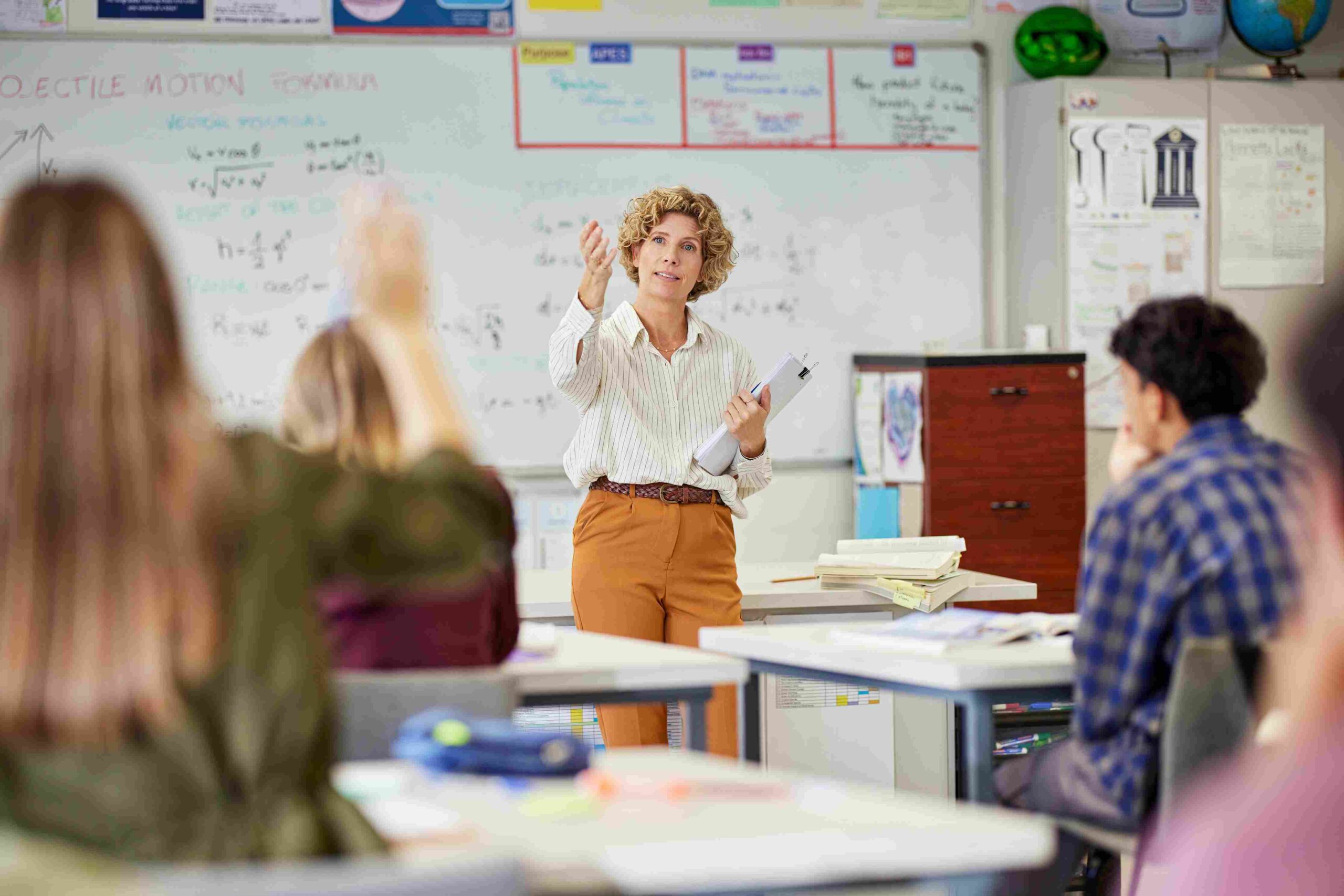
Updated classrooms and support spaces give teachers more options for instruction.
Modern rooms can support small-group lessons, collaborative work, special education services, technology use, and flexible project activities. Better layouts can also improve supervision and make learning more accessible.
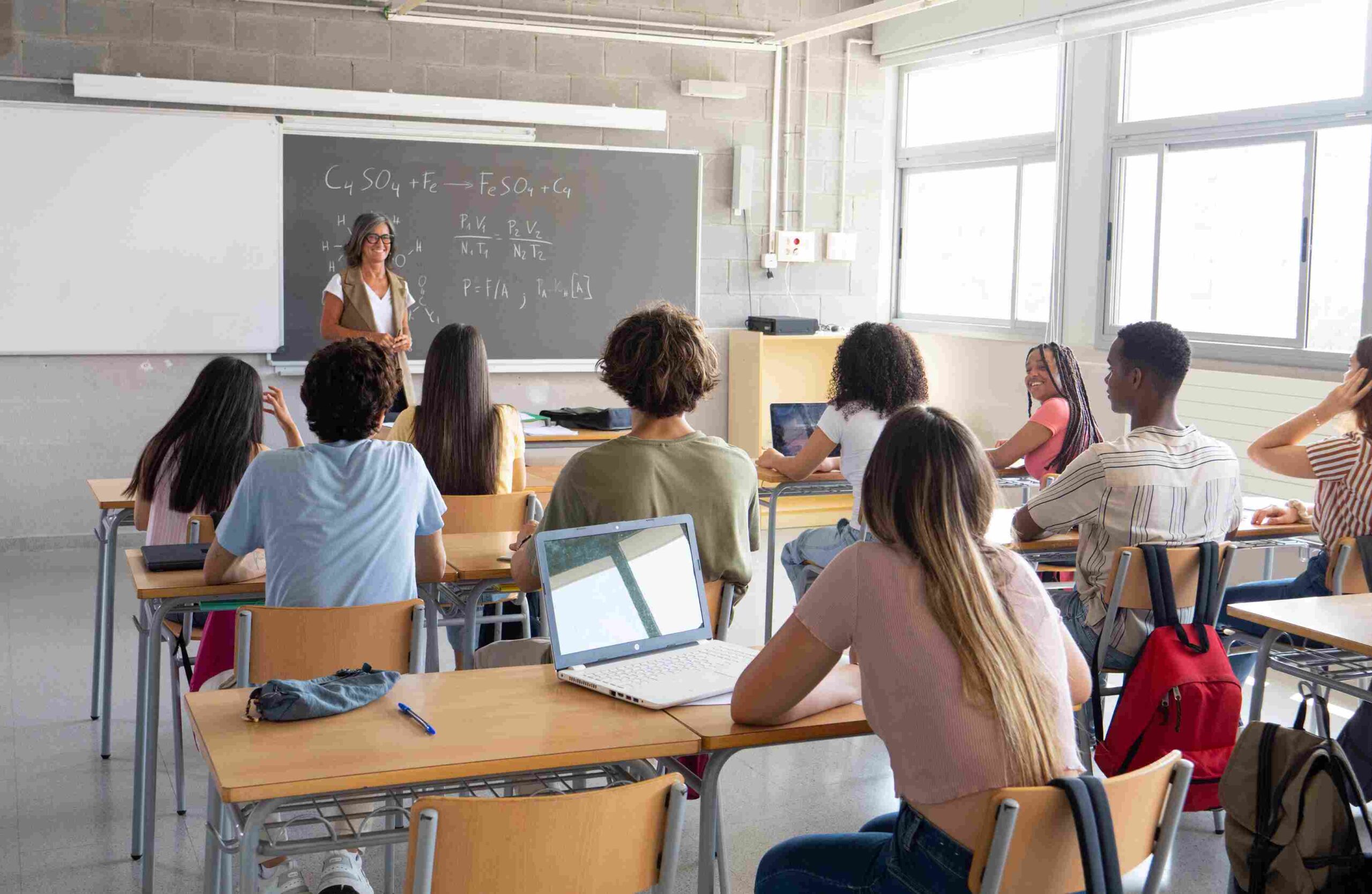
Spring Valley’s plan included renovations to special education classrooms, dedicated restrooms, improved collaborative instruction spaces, and better connections between technical education classrooms and shop areas.
- Easier project management
- Better staff supervision
- Improved access for special education services
- More flexible use of classroom and shop areas
Howard-Suamico also connected facility upgrades to instruction.
Its proposal included expanded career and technical education space, classroom renovations, and science lab improvements across multiple school sites.
Those investments support hands-on learning and help students use modern tools, lab space, and instructional equipment.
Modern learning spaces matter because teaching methods have changed.
Students often work in teams, rotate through stations, use technology, complete projects, and receive individualized support.
Facility upgrades can make those approaches safer, more practical, and more effective.
Preparing Students for the Workforce

Career and technical education helps students connect classroom learning to future employment, training, apprenticeships, and college pathways.
Modern CTE spaces give students access to equipment, tools, and project areas that match workplace expectations.
Howard-Suamico’s proposal included expanded career and technical education space at Bay Port High School.
That kind of investment can create more room for technical programs, hands-on learning, and career pathway options.
- New hoods
- A dust collector
- Wash stations
- Better connections between classroom and shop space
Those improvements support safer instruction, cleaner air, better organization, and stronger supervision.
CTE facility upgrades can help students test career interests before graduation. Safer equipment, stronger ventilation, and better shop layouts allow students to practice skills in a more realistic setting.
Project-based learning also becomes easier when classroom instruction and work areas are connected.
Summary
Wisconsin school referendums show that facility upgrades are closely connected to student learning.
Safer buildings, stronger infrastructure, modern classrooms, better special education spaces, and updated career and technical education areas all support student success.
Major learning benefits include safer schools, flexible classrooms, stronger career preparation, improved special education access, better comfort, and more reliable daily operations.
Our partner —
Your PC, Simplified — Trusted downloads, helpful guides, and up-to-date tech news.