





The Most Famous Shipwrecks Hidden at the Bottom of Lake Michigan
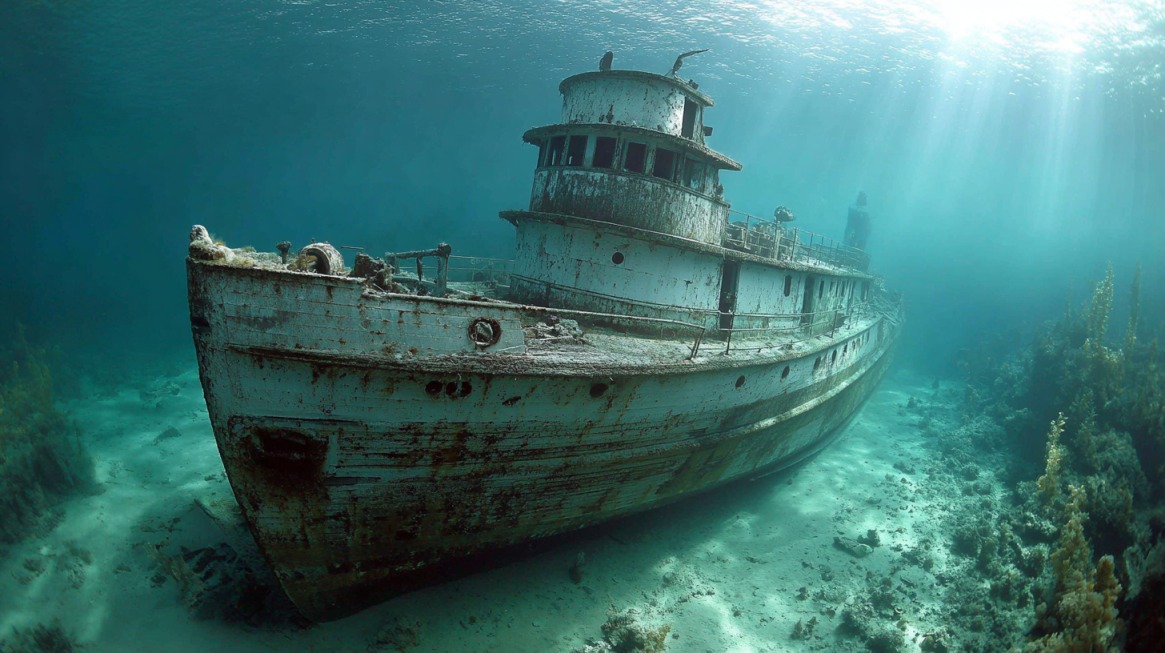
Lake Michigan hides a vast maritime graveyard beneath its surface, filled with shipwrecks that continue to captivate historians, archaeologists, and divers.
Cold freshwater conditions in the Great Lakes help preserve wrecks with remarkable clarity, often keeping wooden hulls and structural details intact for more than a century.
Researchers estimate that thousands of vessels rest across the Great Lakes, with Lake Michigan alone holding hundreds to over a thousand documented and undocumented wrecks.
Many remain undiscovered, resting silently in deep water.
Let us take a look at what is known.
Most Famous Shipwrecks at the Bottom of Lake Michigan
Hundreds of vessels lie scattered across the bottom of Lake Michigan, yet a select group continues to command particular attention due to loss of life, dramatic circumstances, or remarkable preservation.
Stories tied to these ships combine tragedy, commerce, and discovery, forming an essential part of Great Lakes maritime history.
Lady Elgin
Lady Elgin ranks among the deadliest disasters in Lake Michigan history and is often called the “Titanic of the Great Lakes.”
Steam powered sidewheel passenger vessel carried a large number of travelers, many returning to Milwaukee after a political event in Chicago.
Catastrophe unfolded on September 8, 1860, when the ship collided with the schooner Augusta during a violent storm off Winnetka, Illinois.
- A collision occurred during heavy weather in the early morning hours.
- Roughly 300 passengers and crew members lost their lives.
- Only a small fraction of those aboard survived after clinging to wreckage in frigid water.
Impact of the sinking rippled across Midwestern communities, especially in Milwaukee, where many victims lived.
Wreckage was finally located in 1989, about 10 miles north of the collision site. Discovery confirmed long-held accounts of how far currents had carried the remains and renewed interest in preserving the site as a memorial.
Rouse Simmons “The Christmas Tree Ship”
@wonderfullywi Wisconsin is full of tales, legends, and lore. The first one up in this series retelling these legends is the Rouse Simmons, AKA “The Christmas Tree Ship”. #creatorsearchinsights #greatlakesshipwrecks #christmastreeship #lakemichiganshipwrecks #wisconsinhistory ♬ Christmas Music – Memusic
Rouse Simmons earned lasting recognition as the “Christmas Tree Ship,” a three-masted schooner that transported evergreen trees to Chicago markets each holiday season.
Vessel played a seasonal commercial role, delivering thousands of trees intended for families celebrating Christmas.
Final voyage began in late November 1912. Violent storm conditions built rapidly on November 23 off Two Rivers, Wisconsin.
Crew attempted to manage sails and maintain course, yet heavy seas overwhelmed the schooner. All aboard were lost when the ship sank.
- Date of sinking was November 23, 1912.
- Discovery occurred in 1971 at a depth of about 165 feet.
- Reports indicated Christmas trees remained visible in the hold for decades later.
Annual commemorations in Chicago and Two Rivers keep the memory of the vessel alive. The story continues to resonate during each holiday season, linking maritime hardship with a symbol of celebration.
Margaret A. Muir
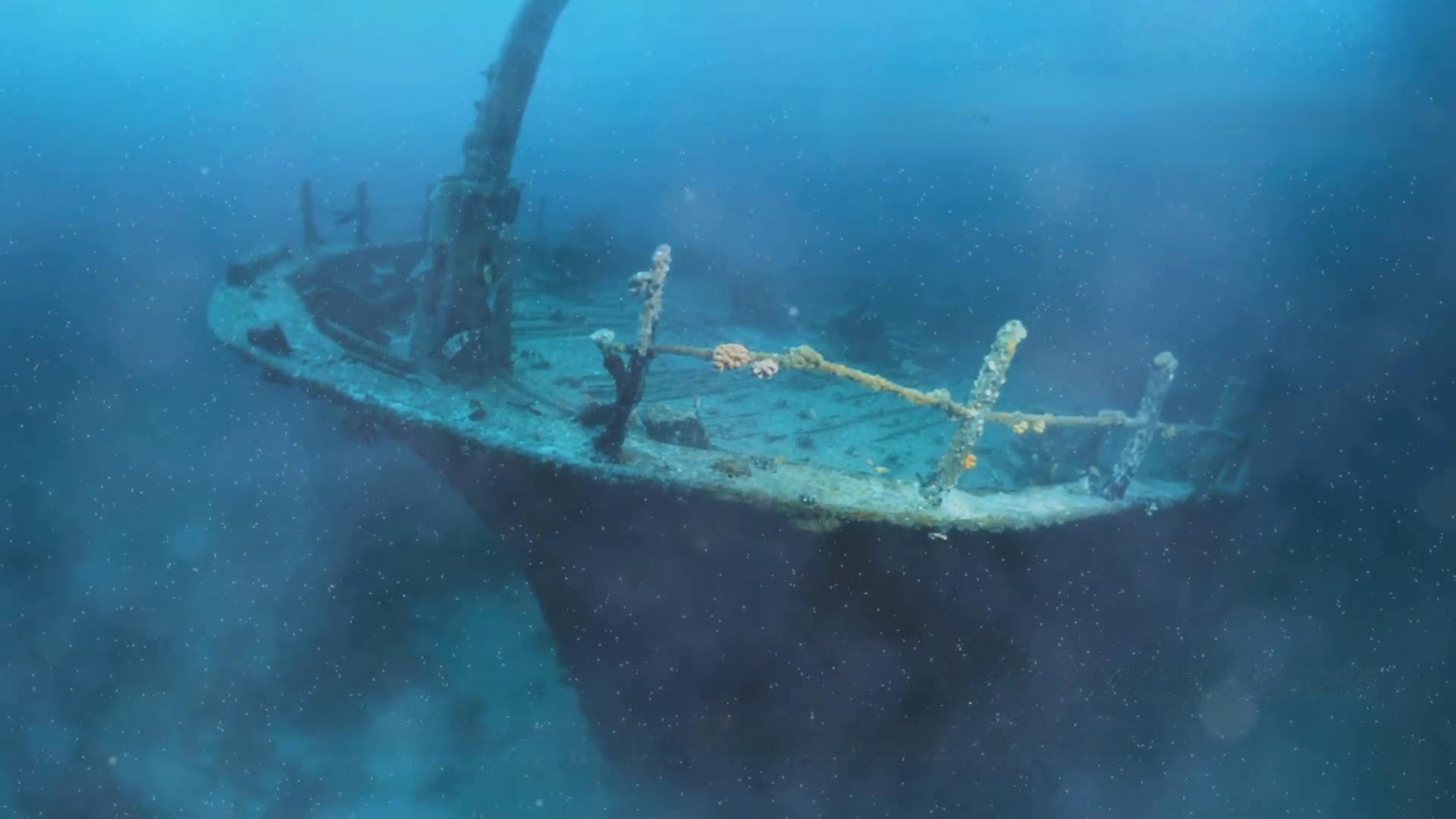
Margaret A. Muir represents one of the more recent discoveries tied to Lake Michigan’s past. Wooden schooner measured 130 feet in length and operated during an era when sail-powered cargo ships remained common on the Great Lakes.
Vessel carried a load of salt when it encountered a 50-mile-per-hour gale near Algoma, Wisconsin. Severe weather conditions contributed to its sinking. Crew of six survived the ordeal, though the captain’s dog reportedly perished.
Discovery in 2024 by the Wisconsin Underwater Archeology Association marked a major achievement in ongoing survey work.
Identification relied on a combination of sonar imaging and archival research. Find demonstrated that even well-documented shipping routes can still conceal ships long thought lost to history.
Silver Spray
Silver Spray, a steamship active in early twentieth-century commerce, met its fate on Morgan Shoal on July 15, 1914. Rocky reef posed a known hazard to navigation near Chicago’s shoreline.
Grounding initiated a chain of events that led to the vessel breaking apart and eventually sinking. The crew abandoned ship safely, and no casualties were reported.
Aftermath unfolded in an unusual fashion, as pieces of wreckage washed ashore and were reportedly used in beach bonfires.
Visibility of the site depends on the lake levels. Remains can sometimes be seen when water recedes, making it one of the few wrecks partially accessible near the surface. Location close to shore contrasts sharply with deeper sites resting hundreds of feet below.
Other Notable Lake Michigan Wrecks
Additional vessels contribute to the broader record of loss and survival on Lake Michigan.
Christina Nilsson sank near Baileys Harbor in 1884 after striking a reef during a blizzard. Harsh winter conditions played a decisive role in that disaster.
SS Vernon, a passenger and package freighter, was lost in a storm on October 29, 1887.
- Only one survivor emerged from the sinking.
- Vessel now rests largely intact in deep water.
F. J. King, a wooden schooner lost in a gale on September 15, 1886, eluded searchers for nearly 139 years. Wreck was finally located in 2025, closing a long chapter of uncertainty.
Lumberman, another wooden schooner, sank in 1893 off Oak Creek, Wisconsin. Site has become a popular destination for experienced divers due to its accessible depth and preserved structure.
How These Shipwrecks Were Found
Efforts to locate wrecks on Lake Michigan combine technology with patient archival work. Early searches relied heavily on eyewitness accounts and approximate coordinates recorded in shipping logs. Modern teams apply far more precise tools.
- Side scan sonar to detect shapes and anomalies on the lakebed.
- Remotely operated vehicles equipped with cameras for visual confirmation.
- Careful examination of shipping records, weather data, and survivor testimony.
Recent surveys resulted in discoveries such as Margaret A. Muir, reinforcing the idea that many vessels remain uncharted.
Organizations including the Wisconsin Underwater Archeology Association and the Michigan Shipwreck Research Association conduct annual expeditions to document and map sites.
Ongoing projects aim to create detailed records that preserve historical information without disturbing fragile remains.
Preservation and Significance
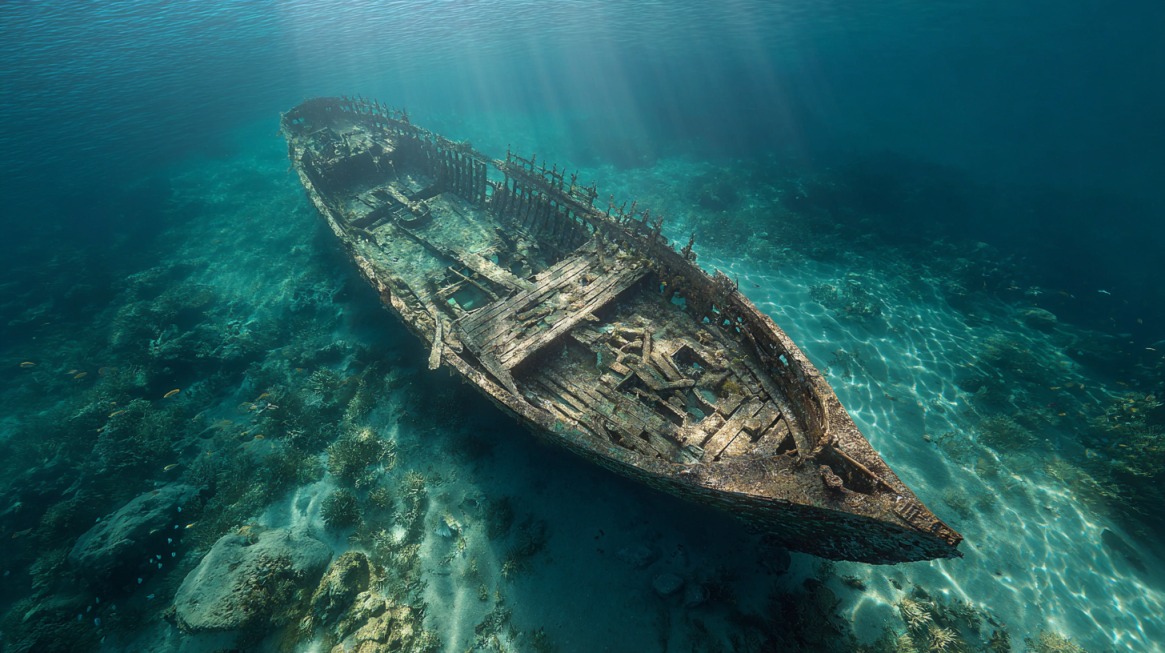
Cold freshwater in Lake Michigan slows biological decay and corrosion. Wooden hulls, deck structures, and even cargo often remain intact for decades or longer. Metal components also resist deterioration more effectively than in saltwater environments.
Protection measures play a central role in maintaining these sites. Many wrecks fall under underwater preserve designations or state historic site protections. Regulations typically restrict artifact removal and unauthorized disturbance.
- Sites function as underwater museums for trained divers.
- Researchers gain insight into nineteenth and early twentieth century shipbuilding practices.
- Public programs and exhibits connect communities with maritime history.
Careful documentation and legal safeguards help ensure that stories tied to Lady Elgin, Rouse Simmons, Margaret A. Muir, Silver Spray, and many others remain available to future generations.
Summary
Shipwrecks resting at the bottom of Lake Michigan tell powerful stories of ambition, commerce, tragedy, and discovery.
Events such as the sinking of Lady Elgin and the loss of Rouse Simmons remain deeply woven into regional memory. Recent finds like Margaret A. Muir show that new chapters continue to emerge.
Ongoing research and advancing technology promise further discoveries that will expand knowledge of beautiful Great Lakes maritime history and protect these submerged time capsules for years to come.