




Return of the Cougar – Tracking Wisconsin’s Most Elusive Big Cat
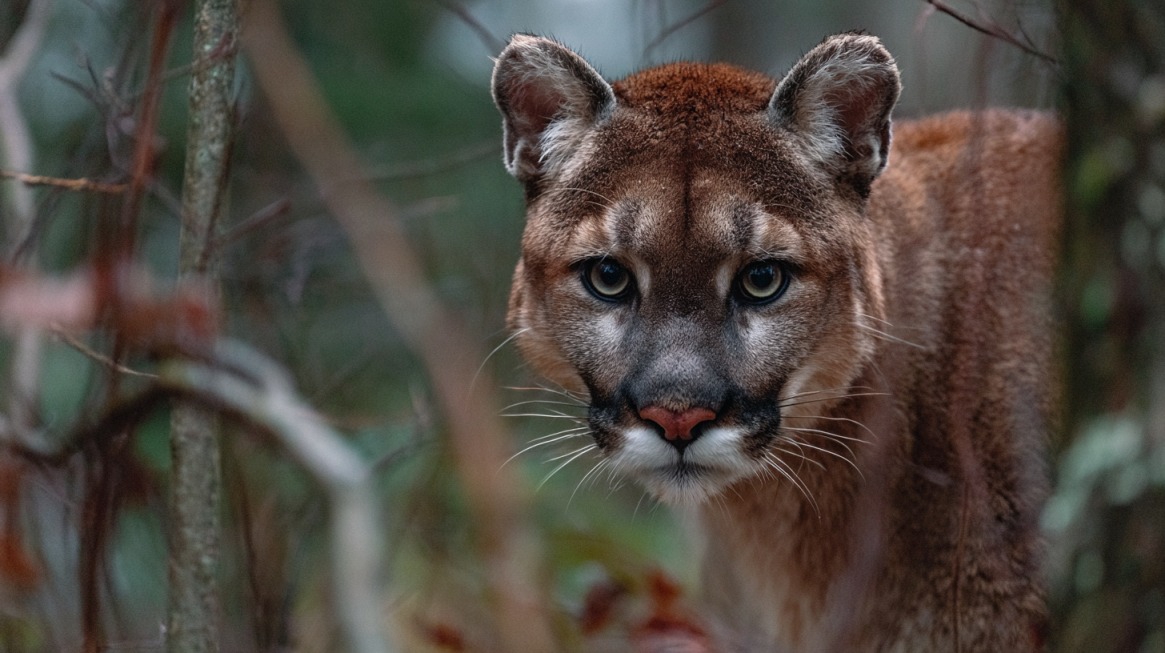
Cougars, also called mountain lions, pumas, or panthers, once ranged widely across Wisconsin and the greater Great Lakes region before extirpation occurred during the early twentieth century.
Historical records and accounts place the species across forests and wild country throughout the Midwest prior to systematic removal linked to settlement and predator control.
Recent increases in confirmed sightings, paired with verified evidence of wild-born cubs just across Michigan’s border, point toward a gradual retracing of the historic range.
As an apex predator, a cougar’s presence can reshape prey behavior, influence deer populations, and alter ecological relationships. Human development now overlaps heavily with former wildlife territory, creating scientific questions and social tension tied to coexistence, safety, and management.
Cougar’s Original Range
View this post on Instagram
Early ecological records and tribal knowledge describe a predator that once spread widely across Wisconsin and much of the Midwest.
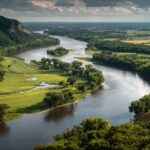
Dense forests, river corridors, and open wild country supported healthy prey populations and allowed cougars to persist across large territories.
Presence extended across the Great Lakes states until rapid settlement reshaped habitat and human attitudes toward large carnivores.
Population collapse followed a combination of coordinated forces that intensified during the nineteenth century.
- Large-scale forest clearing is tied to agriculture and logging
- Organized hunting was encouraged by bounty systems
- Government sponsored predator control programs targeting carnivores viewed as threats
Removal occurred gradually rather than through a single event. By the early twentieth century, breeding populations disappeared across Wisconsin, Michigan, Minnesota, and surrounding states.
Occasional reports continued for decades, though the absence of physical evidence kept cougars confined to folklore, oral history, and local rumor rather than verified biological records.
Evidence of Return in the Region
Recent decades produced a shift that challenged long-held assumptions about permanent absence. Improved tracking technology, trail cameras, and genetic testing reshaped wildlife monitoring across the Great Lakes.
Increased public awareness also led to more detailed reporting and verification.
Increasing sightings across the Great Lakes
Documented evidence began increasing around 2008, particularly in Michigan.
Verified cases expanded beyond isolated individuals and showed repeated movement patterns.
- Annual confirmation counts are rising into the dozens
- Repeated detection in western Upper Peninsula counties
- Physical evidence, including photographs, tracks, and DNA samples
Patterns suggest consistent dispersal into the western Great Lakes rather than random appearances.
Specific sightings in Wisconsin
State officials maintain that Wisconsin lacks an established cougar population. Reports still arrive regularly across the state, supported at times by photographs or tracks. Biologists attribute most verified cases to transient males dispersing eastward after leaving western breeding territories.
- North Dakota
- South Dakota
- Nebraska
Sightings occurred across multiple regions, including the Driftless Area. A pivotal event took place in Buffalo County during 2023, when a cougar was confirmed killed, providing indisputable physical proof of entry into Wisconsin.
Confirmed Cougar Cubs in Michigan
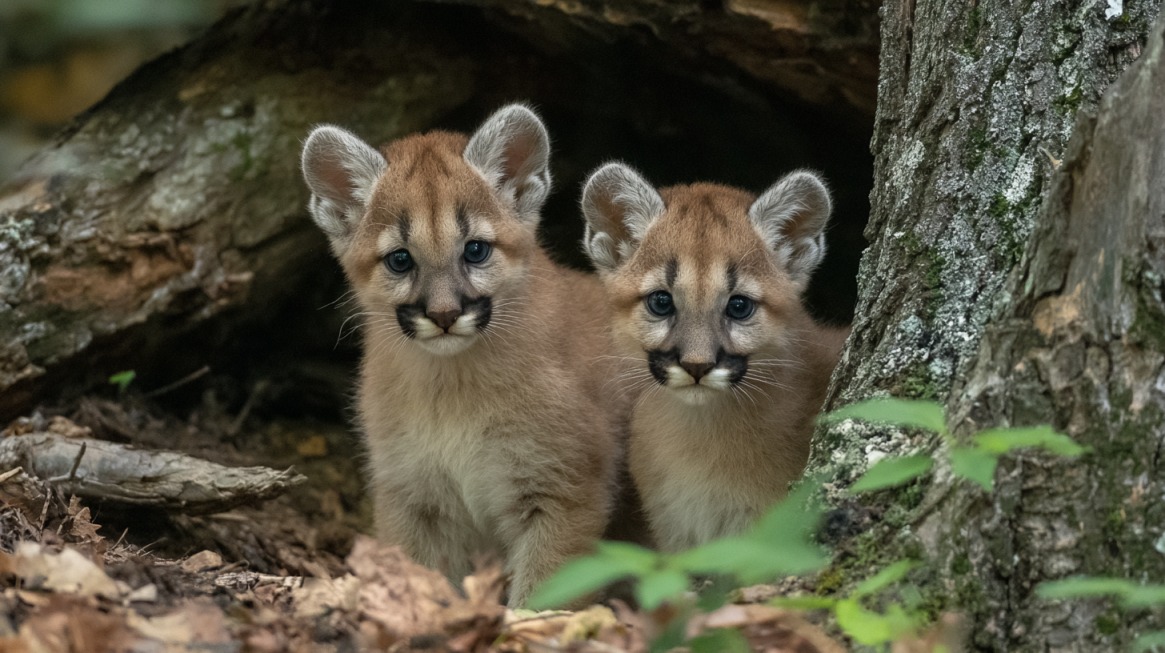
March 2025 marked a historic milestone for eastern cougar recovery. Wildlife officials verified two spotted cubs in Ontonagon County, Michigan. Discovery represented the first confirmed wild-born cougars in the western Great Lakes region in over a century.
- Trail camera images documented continued survival
- An adult female appeared consistently with the cubs
Evidence confirmed active reproduction east of the Mississippi River, reshaping long-standing assumptions about regional recovery limits.
Wisconsin DNR Perspective and Management
State wildlife officials recognize cougars as native animals while maintaining that evidence does not support active breeding inside Wisconsin. Every reported sighting receives individual review rather than automatic classification.
Evaluation focuses on physical proof, geographic context, and consistency with known cougar behavior. Public involvement plays a major role in improving accuracy and long-term monitoring.
- Clear photographs or video showing body length, tail shape, and movement
- Tracks photographed with a measurable object for scale
- Biological samples such as hair or scat, are suitable for genetic testing
Reports lacking physical evidence are recorded but remain unconfirmed. Increased use of cameras and mobile devices on hiking trails improved verification rates over recent years, though confirmation still requires careful review by trained staff.
Identification challenges
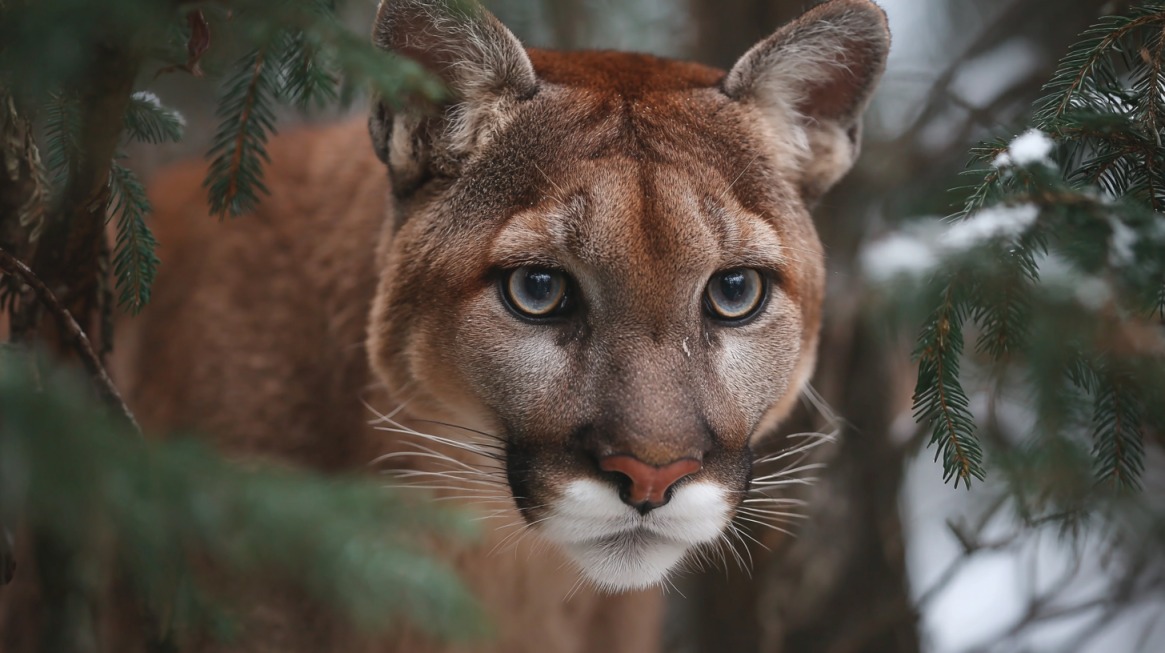
Misidentification presents one of the greatest obstacles in cougar monitoring. Poor lighting, brief sightings, and distance often distort size and shape perception.
Bobcats frequently account for reports due to coloration and movement patterns, while large domestic cats and dogs also lead to confusion.
Occasional hoaxes further complicate reporting systems. Reliable confirmation depends on physical evidence reviewed by specialists with experience in large carnivore identification.
Habitat considerations
Wisconsin offers environmental conditions capable of supporting cougars. Forested regions provide cover, while deer populations supply an adequate prey base. Large, undeveloped areas allow wide-ranging movement and reduced human contact.
Absence of proof supporting a self-sustaining population inside state boundaries remains the central factor preventing classification as an established species. Continued monitoring aims to determine if dispersal patterns shift toward long-term residency and reproduction.
Summary
Confirmed sightings across the Great Lakes and historic documentation of reproduction in nearby Michigan point toward gradual eastward resurgence after more than a century of absence.
Future outcomes remain unknown for cougar establishment in Wisconsin. Recent developments support continued monitoring, scientific study, and communication among wildlife biologists, landowners, and the public as conditions continue to change.