



7 Rare Wisconsin Wildlife Spectacles You’re Missing
Wisconsin wildlife offers far more than familiar deer sightings and common songbirds. Across marshes, rivers, forests, and Great Lakes shorelines, rare natural events unfold in specific seasons and conditions. Ancient fish surge upstream in spring.
Arctic owls appear during select winters. Massive wetlands host cranes that rank among the rarest birds in North America.
Timing and habitat shape each spectacle. Some last only a few weeks. Others depend on unpredictable migration shifts or food cycles hundreds of miles away. Careful planning, patience, and respect for protected areas increase the chance of witnessing moments that many residents never see.
The following wildlife spectacles across the state deserve a place on any nature calendar.
Spectacle #1 – Great Lakes Giants, Ancient Lake Sturgeon
View this post on Instagram
Wisconsin wildlife includes one of North America’s oldest surviving fish species, the lake sturgeon. Rivers that flow into the Great Lakes and inland waters such as Lake Namakagon provide critical habitat for these giants.
Lake Namakagon, whose Ojibwe-derived name means “lake abundant with sturgeons,” reflects a cultural and ecological connection that reaches back centuries.
Lake sturgeon trace their lineage back more than 100 million years. Massive bodies, rows of bony scutes, and sensitive barbels used to detect food along river bottoms give them a prehistoric appearance. Lifespans can stretch across generations, and growth can be remarkable under favorable conditions.
- Lifespans that can exceed 100 years
- Weights that may surpass 100 pounds
- Late maturity, with females spawning only once every several years
Strict spawning requirements make sightings rare. Successful reproduction depends on:
- Clean, rocky river bottoms
- Strong, steady current
- Clear, well-oxygenated water
Spring spawning runs create one of the most dramatic fish events in Wisconsin wildlife. Large groups move into shallow stretches of select rivers, sometimes within easy view of shorelines and bridges.
Clear water allows observers to watch slow, deliberate movements upstream. Respect for seasonal protections and harvest regulations ensures that future generations will witness these ancient fish continuing their cycle.
Read more: What are some of the most beautiful lakes in Wisconsin that are definitely worth visiting?!
Spectacle #2 – Whooping Cranes at Horicon Marsh
Wisconsin wildlife reaches impressive scale at Horicon Marsh, the largest freshwater cattail marsh in the United States and one of the state’s designated natural wonders. More than 300 bird species use this vast wetland during migration and nesting periods.
A major rookery of great blue herons east of the Mississippi River adds national significance.
Among visiting species, whooping cranes draw particular attention. These tall white cranes rank among North America’s rarest birds. Careful conservation work has slowly increased their numbers, yet sightings remain special events.
- Early spring as birds return north
- Fall as cranes travel south toward wintering grounds
Horicon Marsh offers several quiet viewing options. Travel by canoe or kayak allows close observation without disturbing feeding or resting birds. Binoculars help visitors identify whooping cranes among sandhill cranes and other waterfowl.
Patience often rewards observers with views of cranes stepping carefully through shallow water or calling across open marsh.
Spectacle #3 – Snowy Owl Irruptions
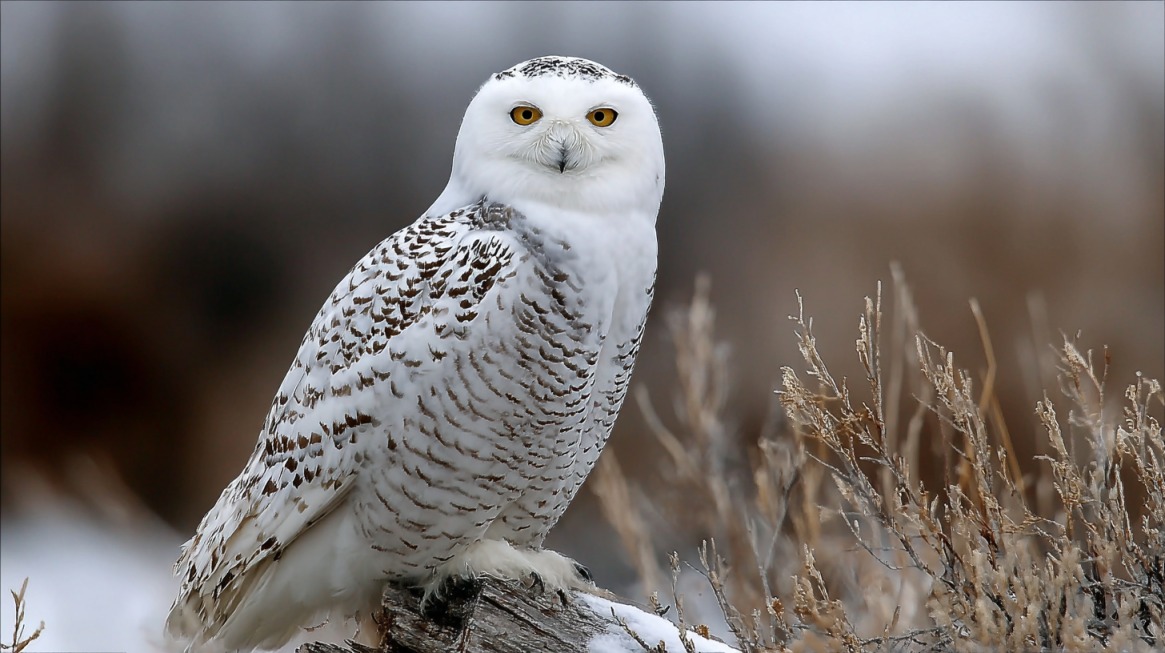
Winter transforms parts of Wisconsin’s wildlife into a temporary extension of the Arctic. Snowy owl irruptions occur in select years when food shortages in the northern tundra push large numbers of these raptors south.
Shorelines along Lake Superior and Lake Michigan, as well as open fields and airports, become prime viewing areas.
Snowy owls display physical traits well-suited to cold conditions.
- Thick feathering that covers even their feet
- Bright yellow eyes are adapted for keen vision
- Broad wings built for silent flight across open ground
Irruption years vary widely, which makes each event unpredictable. Late fall through winter offers the strongest possibility of sightings. Wind sweeping off the Great Lakes creates open, treeless settings that resemble Arctic breeding grounds.
Observers scanning fence posts, dunes, and flat agricultural fields may spot a white shape perched low to the ground. Maintaining distance protects birds already stressed by long-distance movement.
Spectacle #4 – Southern Bird Vagrants
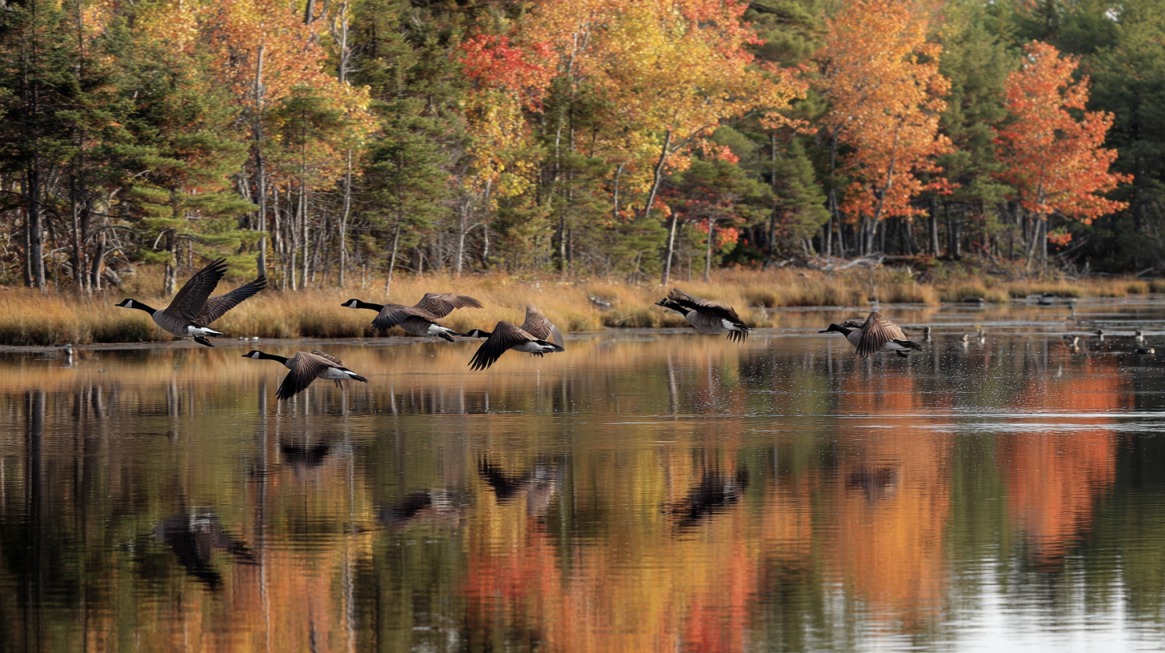
Unusual sightings occasionally redefine expectations within Wisconsin wildlife. Southern bird species sometimes appear far north of their typical ranges.
A wood stork sighting in a Wisconsin wetland once drew birders statewide, turning a quiet marsh into a gathering place for photographers and ornithologists.
- Powerful storm systems that displace migrating birds
- Shifting weather patterns that alter migration routes
- Young birds wandering off course during their first migrations
Vagrants may remain briefly or settle for several days if food is available. News spreads quickly through birding networks, and observers often travel long distances for a single glimpse.
Appropriate conduct remains essential, especially when birds are fatigued and navigating unfamiliar territory.
Spectacle #5 – Elusive Northern Forest Predators
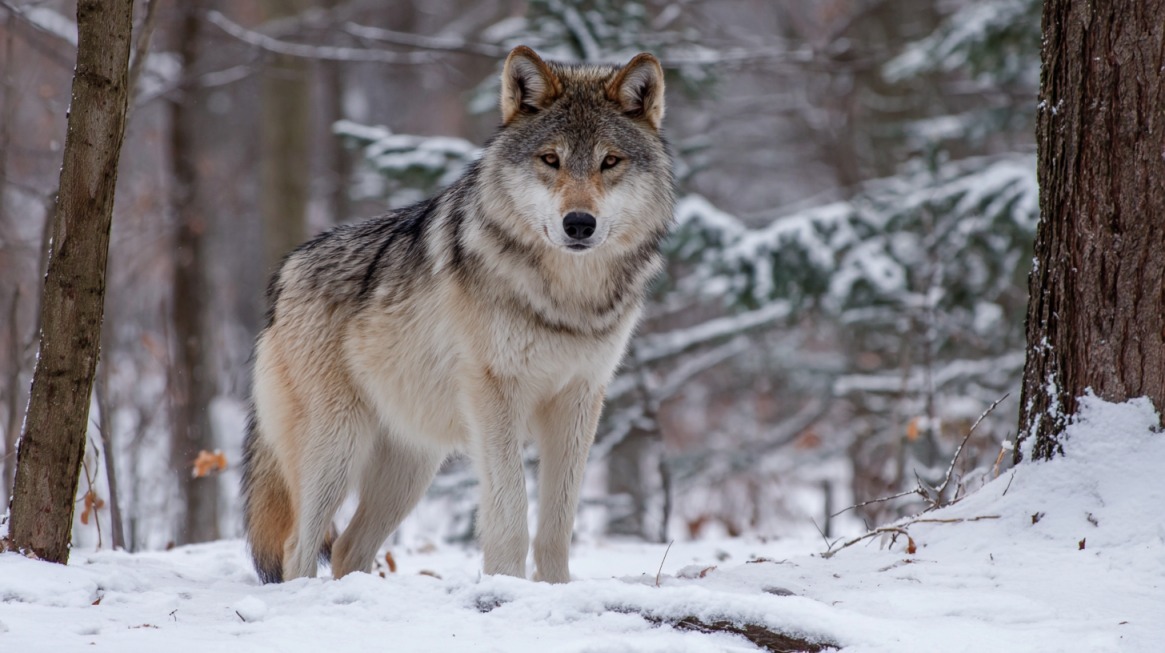
Large mammals anchor Wisconsin wildlife across remote northern forests and protected public lands.
Gray wolves, black bears, and bobcats serve as apex predators within these ecosystems. Expansive forest cover and abundant prey allow stable populations to persist.
Behavior patterns make direct encounters uncommon.
- Gray wolves travel in structured family packs across broad territories
- Black bears forage widely for berries, nuts, insects, and carrion
- Bobcats rely on stealth and camouflage to ambush small prey
Nocturnal and crepuscular activity limits daytime sightings. Early morning and dusk increase the possibility of observation, though tracks in snow or mud often provide more reliable evidence than visual confirmation.
Responsible wildlife viewing includes maintaining distance and avoiding any action that alters natural behavior.
Spectacle #6 – Ancient Bogs and Rare Wetland Biodiversity
View this post on Instagram
Specialized wetland habitats form another important chapter in Wisconsin wildlife. Interior bogs, shaped over centuries through slow peat accumulation, support plant and animal communities adapted to acidic, nutrient-poor conditions.
Standing water and spongy ground create an environment unlike the surrounding forests.
Certain plant species survive by capturing insects to supplement nutrients.
- Pitcher plants that trap insects in tubular leaves
- Sundews that use sticky tentacles to capture small prey
Amphibians, specialized insects, and wetland birds depend on these fragile systems. Late spring through summer brings peak flowering and insect activity, offering the best viewing opportunities.
Elevated boardwalks in protected areas allow visitors to cross sensitive ground safely, preserving habitats that exist in only a limited number of locations statewide.
Spectacle #7 – Apostle Islands National Lakeshore
Apostle Islands form a chain of 21 islands in Lake Superior and rank among Wisconsin’s great natural wonders.
Apostle Islands National Lakeshore features red sandstone sea caves, sandy beaches, and the largest collection of historic lighthouses in the United States National Park system.
Island habitats support a wide range of Wisconsin wildlife.
- Black bears using remote forest cover
- Bobcats moving along interior trails
- American martens occupying mature woodland
- River otters traveling between the shoreline and the water
Camera surveys confirm active carnivore communities supported by old-growth forest and limited human disturbance. Cliffs and wooded shorelines provide nesting sites for bald eagles and resting areas for migratory waterfowl.
Surrounding waters sustain fish populations that attract both anglers and predatory birds.
Seasonal change transforms visitor experience. Summer allows kayaking through wave-carved sea caves that glow with reflected light. Winter, when conditions are safe, turns those same formations into crystalline ice caves often described as temples of ice.
Boat and paddle routes along cliff faces may reveal shorebird colonies and active lake ecosystems.
Occasional seal sightings add a rare surprise to an already remarkable setting within Wisconsin wildlife.
Summary
Wisconsin’s marshes, forests, rivers, and island chains function as living stages for rare wildlife events tied closely to season and habitat.
Careful timing increases the chance of witnessing spawning sturgeon, migrating cranes, winter irruptions, or elusive predators.
Binoculars, patience, and respect for fragile ecosystems ensure meaningful encounters. Planning visits around migration windows and seasonal activity patterns can turn an ordinary outing into an unforgettable wildlife experience.