





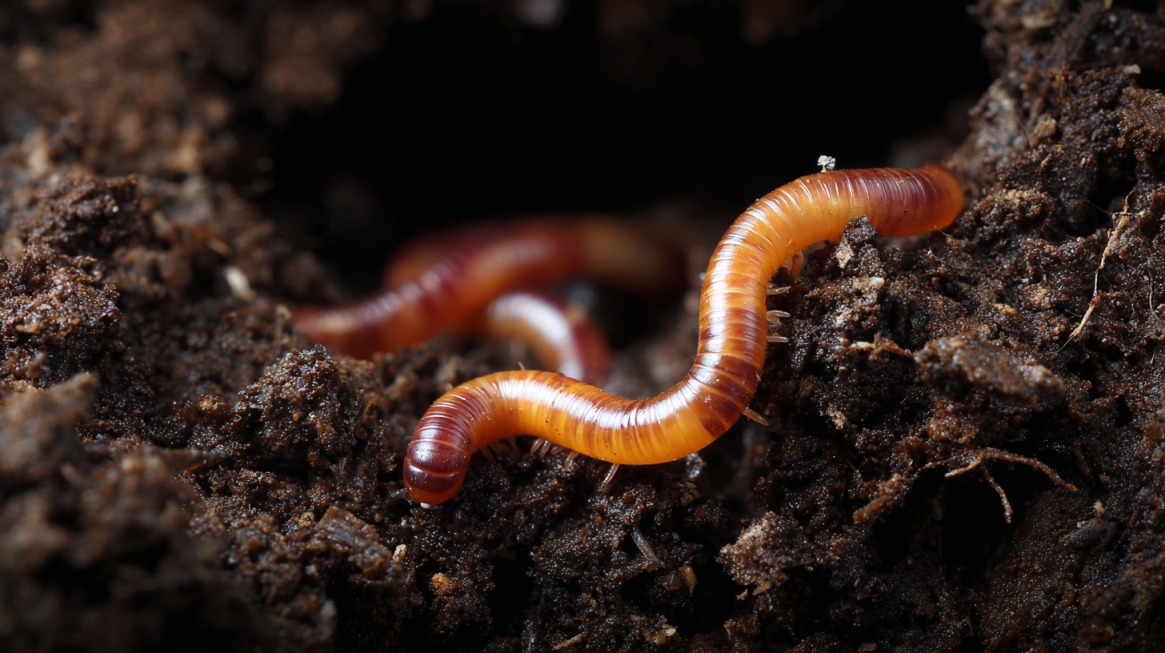
Jumping Worms in Wisconsin – Identification and Prevention Guide 2026
Jumping worms refer to a group of invasive earthworms known for aggressive movement and rapid soil alteration.
Scientific classification places these worms within several closely related genera that behave differently compared to common European earthworms.
Wisconsin faces growing pressure in 2026 due to expanding populations across forests, gardens, parks, and managed green spaces.
Reports confirm increasing sightings and ecological damage across multiple counties.
Biology and Behavior of Jumping Worms
| Category | Key Features |
|---|---|
| Common Names | Jumping worms, snake worms, Alabama jumpers, crazy worms |
| Scientific Genus | Amynthas (also includes Metaphire species) |
| Origin | Native to Asia; non-native and invasive in Minnesota and northern U.S. |
| Movement | Snake-like, vigorous wriggling; may appear to “jump” when disturbed |
| Clitellum (Ring) | Milky pink/gray, encircles body evenly, located closer to head (14–15 segments) |
| Soil Appearance | Soil looks like coffee grounds due to castings |
| Reproduction | Produces cocoons in late summer → adults die in winter → cocoons hatch in spring → mature by summer |
| Habitat | Top few inches of soil and leaf litter; does not burrow deeply |
| Spread By | Contaminated soil, mulch, compost, potted plants, sod, bait worms, and vermicomposting worms |
| Regulatory Status | Prohibited invasive species in Minnesota as of July 1, 2024 |
Jumping worms display biological traits that separate them sharply from common earthworms found in gardens and forests.
Rapid reproduction, aggressive movement, and fast soil consumption contribute to serious ecological disruption once populations establish.
Origins trace back to East-Central Asia, where surrounding ecosystems developed alongside these worms over long periods. Native predators, pathogens, and competitors kept populations balanced in those regions.
North American environments lack natural controls capable of slowing expansion. Absence of specialized predators and unfamiliar soil conditions allows populations to increase unchecked once cocoons enter suitable ground.
Several closely related genera account for most infestations.
- Amynthas
- Metaphire
- Pheretima
@aylaelizabethbella I’m so curious about these critters. When I first discovered them in my garden, it felt like the end of the world, but now I’m not so convinced of their detrimental impact (despite the fact that they cause measurable disruption in native ecosystems). Regardless – there’s no way to eliminate them from the soil, so I’ll have to figure out how to either work with them or minimize the damage! #jumpingworms #invasivespecies #gardening #permaculture #rootingresilience #urbangardening #foodforest ♬ original sound – Ayla Bella
Reproductive traits create significant management challenges. Parthenogenesis allows reproduction without mating, meaning one individual can start a new infestation.
Cocoons remain resilient and survive transport in soil and plant material, increasing accidental spread.
Behavioral traits create immediate visual clues.
Disturbance triggers intense thrashing, rapid lateral movement across soil surfaces, and occasional tail shedding as a stress response. Motion often resembles a small snake rather than a typical worm.
Life cycle activity follows a predictable annual pattern tied closely to seasonal conditions. Eggs persist through winter and hatch once soil temperatures rise.
Growth accelerates during the summer months, leading to peak activity by late summer.
- Two generations within one growing season
- High cocoon production late in summer
- Complete die-off of adults after first hard frost
Identification Guide
Correct identification remains critical due to the similar appearance shared with harmless earthworms. Physical traits and movement patterns provide the most reliable confirmation.
Body size varies widely depending on maturity and species. Length typically ranges between 1.5 inches and over 8 inches, with adults appearing thicker and more muscular than common garden worms.
Color and texture present additional clues. Skin appears gray to brown with a glossy sheen and rubbery firmness. Surface texture feels smooth and resilient rather than soft or slimy.
Clitellum position provides one of the clearest indicators. Band coloration appears cloudy white to pale gray and remains flush with the surrounding skin rather than raised.
- Located between 14 and 16 segments behind the head
- Lacking pink or saddle-shaped appearance
- Remaining evenly colored without swelling
Behavior strongly supports identification when physical traits remain uncertain. Disturbance causes rapid twisting, jumping motions, and erratic crawling across soil surfaces instead of slow burrowing.
Ecological and Environmental Impact
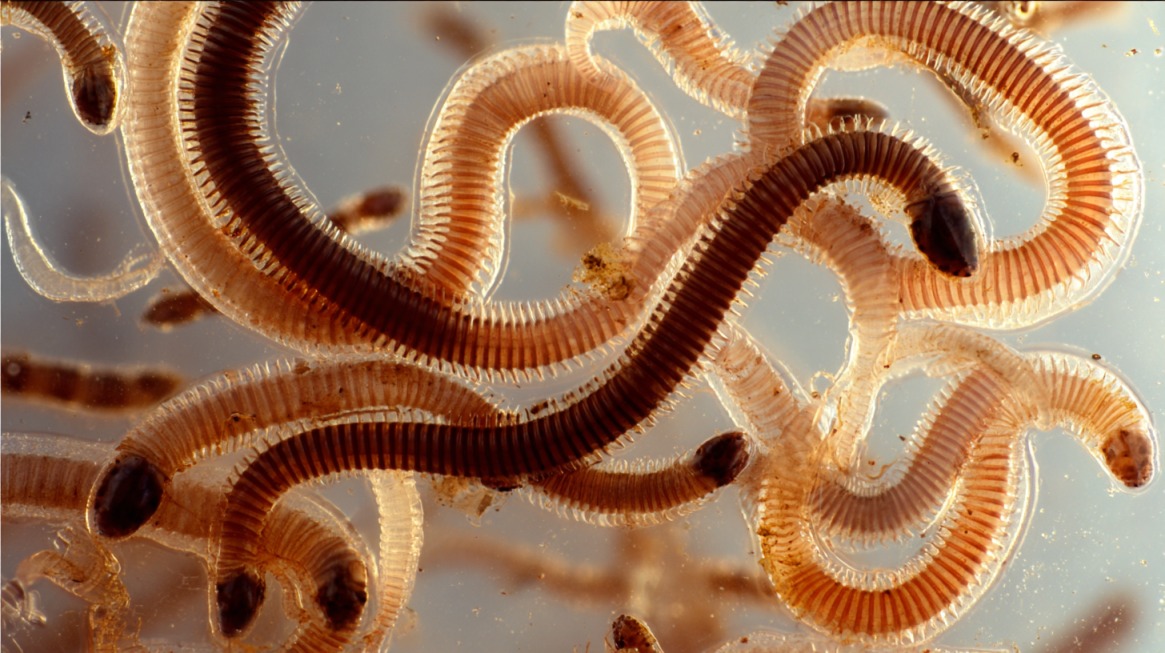
Jumping worms alter soil systems quickly and aggressively, causing changes that persist long after populations establish. Damage affects forests, gardens, and managed green spaces alike.
Soil structure suffers rapid breakdown as organic layers convert into loose, granular castings resembling coarse coffee grounds.
Stable aggregates disappear, leading to reduced moisture retention and weakened root anchoring.
Nutrient cycling accelerates at unsustainable rates. Organic matter disappears faster than plants can utilize it, resulting in nutrient loss and increased erosion risk. Areas with slopes or bare soil experience the greatest damage.
Native species struggle under altered conditions. Earthworm displacement disrupts long-established relationships within soil communities.
Plant roots lose stable support, while microbial populations face habitat instability that reduces overall soil health.
Climate-related concerns continue growing as research expands. Accelerated organic decomposition may increase carbon dioxide release previously stored in soil layers, contributing to atmospheric carbon levels.
Current Distribution and Spread
Jumping worm presence continues expanding across the region.
Initial detection within Wisconsin occurred during 2013, followed by rapid spread across urban yards, parks, forests, and rural properties by 2026.
Broader North American distribution extends across large geographic areas.
- Much of the Midwest
- Northeastern United States
- Ontario in Canada
Human activity remains the primary driver of spread. Movement of contaminated materials introduces cocoons into new locations.
Common pathways include mulch, compost, potted plants, bait worms, and soil transport tied to construction or gardening.
Detection Methods
View this post on Instagram
Early detection supports containment and limits ecological damage. Visual inspection often provides the first warning signs.
Soil surfaces may appear granular and loose, resembling coarse pellets rather than crumbly earth. Mulch layers may vanish rapidly during warm periods due to intense feeding.
Simple field testing improves confirmation. Mustard pour testing irritates worms and forces them to surface. Preparation involves mixing ground mustard with water and applying the solution evenly across the soil.
Timing plays an important role in detection success. Late summer offers optimal conditions due to adult size and activity levels.
August and September produce the highest visibility and identification accuracy.
Legal Status and Regulations
Regulatory responses reflect growing concern across multiple states. Wisconsin classifies jumping worms as a restricted invasive species.
Rules discourage sale, transport, and intentional release.
Minnesota enforces stricter controls through the prohibited invasive species designation. Movement and disposal restrictions receive stronger enforcement.
Other states apply varying approaches. Some limit commercial sales, while others rely on education, voluntary reporting, and outreach programs.
Reporting supports monitoring and response efforts. Local Extension services and the Department of Natural Resources platforms accept reports to track spread patterns and prioritize management actions.
Prevention and Management
Prevention strategies focus on limiting accidental movement. Purchasing soil, mulch, and plants only through verified clean sources reduces risk.
Avoid importing materials associated with known infestations. Tool and footwear sanitation prevents eggs sticking to surfaces.
Control measures remain limited. No known chemical or biological treatments exist. Manual removal remains the primary option when infestations appear small.
Destroy infested materials through solarization using sealed plastic under direct sunlight or freezing during winter conditions.
Worm disposal requires care. Isopropyl alcohol or extended sun exposure ensures humane destruction. Release into natural areas or compost piles must never occur.
Read more: Heard of Wisconsin’s 2026 Sturgeon? Find out how to apply and what the rules are here!
Closing Thoughts
Urgency surrounds the ongoing spread and ecological damage caused by jumping worms. Rapid reproduction and soil disruption complicate long-term management.
Key takeaways focus on prevention and early detection. Avoid moving soil or mulch tied to infested areas.
Simple detection methods, such as the mustard pour test, support early response. Proper disposal reduces further spread and protects Wisconsin ecosystems.