




5 Best School Districts in Wisconsin 2026 – What the Rankings Don’t Tell You
Families often turn to rankings when comparing school districts, especially during a move. Lists such as Niche’s 2026 Best School Districts in Wisconsin offer a clear snapshot of academic performance and parent feedback. Numbers, grades, and star ratings can make the decision process feel straightforward.
Quality school districts matter because they shape academic outcomes, social growth, and long-term opportunities for students.
Niche’s 2026 rankings evaluate Wisconsin districts using academic data and reviews submitted by parents and students. Academic performance, graduation rates, college readiness, teacher quality, and overall satisfaction all factor into the final grades.
For many households planning a relocation, school district quality plays a central role in choosing a community.
Rankings provide useful structure, yet they cannot fully capture daily life inside classrooms, school culture, or how students feel walking through the halls each morning.
| District | Rank in Wisconsin | Grade | Schools | Approx. Students |
|---|---|---|---|---|
| Elmbrook School District (Brookfield) | #1 | A+ | 9 | 7,863 |
| Middleton Cross Plains Area School District (Middleton) | #2 | A+ | 12 | 7,059 |
| Mequon Thiensville School District (Mequon) | #3 | A+ | 6 | 3,543 |
| Whitefish Bay School District (Whitefish Bay) | #4 | A+ | 4 | 2,831 |
| Muskego Norway School District (Muskego) | #5 | A+ | 6 | 4,577 |
1. Elmbrook School District, Brookfield
View this post on Instagram
Elmbrook School District ranks #1 best school district in Wisconsin for 2026. District holds an A+ overall Niche grade and serves approximately 7,863 students across 9 schools. Parent and staff reviews average about 4.5 stars, reflecting consistently high satisfaction levels.
- #1 best school district in Wisconsin for 2026
- A+ overall Niche grade
- 9 schools serving about 7,863 students
- Average parent and staff rating of roughly 4.5 stars
Consistency defines Elmbrook’s performance. The district has ranked #1 in Wisconsin by Niche for multiple years, including each year between 2016 and 2026. Sustained top placement over a full decade signals stable leadership, steady academic results, and long-term community confidence.
Even in our research from 2 years ago, it is the number one school, which tells a lot!
Academic strength pairs with strong arts programming and wide-ranging opportunities across grade levels. Students can pursue Advanced Placement courses, participate in music and theater programs, and compete in established athletic teams.
College preparation begins early, with structured academic pathways and access to advanced coursework in high school.
High expectations create strong outcomes. Graduation rates and college readiness indicators contribute to the district’s A+ profile. At the same time, student reviews note that academic pressure can feel intense for some learners.
Competitive culture may motivate many students, while feeling overwhelming for others. Families often weigh rigorous standards against student stress levels and overall well-being.
2. Middleton Cross Plains Area School District, Middleton
In the second place, we have the Middleton Cross Plains Area School District. District earns an A+ overall Niche grade and serves about 7,059 students across 12 schools. Size places it among the larger districts in the top five, which can influence course variety and programming depth.
- #2 best school district in Wisconsin
- A+ overall Niche grade
- 12 schools serving approximately 7,059 students
Reviews frequently reference supportive teachers and a broad range of classes. Academic programs receive strong praise, particularly in STEM fields and career-focused pathways.
Students have access to advanced placement courses, technical education tracks, and structured preparation for college or workforce entry.
Breadth of course offerings allows students to pursue varied academic interests. Larger enrollment supports expanded electives and specialized classes that smaller districts may not sustain.
Classroom experience can differ depending on the teacher and the school building. Some students report strong engagement, thoughtful instruction, and meaningful interaction. Others feel that attention and teaching style vary.
Consistency across classrooms becomes an important factor for families who value predictability in instruction quality.
3. Mequon Thiensville School District, Mequon
View this post on Instagram
Mequon Thiensville School District ranks #3 in Wisconsin for 2026. District holds an A+ overall Niche grade and serves approximately 3,543 students across 6 schools.
Smaller enrollment creates a different environment compared with larger systems on the list.
- #3 best school district in Wisconsin
- A+ overall Niche grade
- 6 schools serving about 3,543 students
Academic performance remains a central strength. Families often praise structured college preparation and clear academic expectations. Students benefit from focused guidance and access to advanced coursework at the high school level.
Athletics, arts programs, and leadership opportunities add depth to daily school life. Students can participate in competitive sports teams, music ensembles, theater productions, and student government roles.
Such programs contribute to well-rounded development and skill building outside the classroom.
Smaller enrollment allows for more personalized attention. Students may build closer relationships with teachers and administrators, which can support academic progress and personal growth.
Limited size can also mean fewer specialized courses or niche electives compared with districts serving larger populations. Families often consider class size advantages alongside potential limits in course variety.
4. Whitefish Bay School District, Whitefish Bay
Whitefish Bay School District ranks #4 best district in Wisconsin for 2026. District earns an A+ overall Niche grade and serves around 2,831 students across 4 schools. Compact structure creates a tight community dynamic.
- #4 best school district in Wisconsin
- A+ overall Niche grade
- 4 schools serving approximately 2,831 students
Strong academics and a clear college preparatory focus shape its reputation. Curriculum aims to prepare students for competitive college admissions, with access to advanced courses and structured academic guidance.
Families frequently describe high teacher quality and consistent academic standards.
Community engagement plays a visible role in school life. Parents often participate in school events and support activities, contributing to a stable and supportive environment.
Students benefit from familiarity among classmates and staff members due to the district’s smaller size.
Close community ties can foster strong support networks. At the same time, some students may prefer a broader range of backgrounds and perspectives than a smaller district can provide. Personal fit depends on a child’s comfort level in a compact school setting.
5. Muskego Norway School District, Muskego
@journalsentinel The Muskego-Norway School Board passed an amendment that will require staff to receive a parent or guardian’s permission before using a student’s preferred pronouns. The rule, which was first introduced in November, requires written or electronic authorization from a student’s legal guardian before changes are made to a student’s records, as well as how the student is referred to in school, regarding their name and gender identity. Its passing comes shortly after similar policies have been enacted in Germantown, Arrowhead and Waukesha school districts. 🏫 More on this story with the link in our bio. #schools #pronouns #muskego #wisconsin #education #lgbtq #greenscreen ♬ original sound – journalsentinel
In the fifth place, Muskego Norway School District finds itself for 2026. District holds an A+ overall Niche grade and serves approximately 4,577 students across 6 schools. Enrollment places it between smaller and mid-sized systems among the top five.
- #5 best school district in Wisconsin
- A+ overall Niche grade
- 6 schools serving about 4,577 students
Reputation for staff engagement and college readiness strengthens its position. Families frequently point to accessible teachers and administrators who maintain high expectations for academic success.
College preparation remains a priority, with structured guidance and academic planning resources.
Extracurricular activities and athletic programs contribute significantly to school spirit and community connection. Sports teams, clubs, and student organizations provide opportunities for leadership and peer interaction.
Course selection may feel more limited in certain subject areas compared with larger districts. Some parents express interest in broader academic offerings, particularly for specialized interests or advanced electives.
Ongoing discussions in many communities center on balancing strong core academics with expanded course options.
How Rankings Are Determined and What They Do Not Show

Niche compiles its rankings using data reported by the U.S. Department of Education, combined with millions of parent and student reviews. State test scores, graduation rates, college readiness indicators, teacher quality metrics, and overall district ratings contribute to the final score.
For 2026, SAT and ACT scores were removed from the ranking formula.
Objective data brings consistency to comparisons across school districts. Graduation rates and standardized assessments help measure academic outcomes at scale. Parent and student reviews add context through personal experiences and satisfaction ratings.
Limitations still exist. Rankings do not measure community culture, average class size, diversity of perspectives, or the strength of extracurricular programs in detail. Voluntary reviews can also skew results because families with strong positive or negative experiences may be more likely to submit feedback.
Parents often look for factors that do not appear in ranking formulas. Sense of belonging and school climate can matter as much as test scores. Access to arts programs, STEM tracks, advanced coursework, and special education services often shapes a child’s experience.
Parent involvement and local support networks also influence how supported students feel throughout their education.
Common Traits of Top Wisconsin School Districts That Rankings Do Not Reveal
Community involvement appears consistently across top-ranked school districts.
Many sit in suburban areas where families actively attend school events, volunteer, and participate in parent organizations. Strong local engagement can enhance student experiences in ways that numbers cannot measure.
Program variety often extends past academic metrics used in rankings. Arts, athletics, leadership clubs, and career-focused programs shape daily school life.
Academic rigor paired with extracurricular options creates a well-rounded environment for many students.
Student culture plays a major role in satisfaction. Some learners thrive in competitive, high-expectation settings.
Others perform better in relaxed environments with smaller class sizes. Rankings do not communicate which district aligns best with a child’s personality, learning style, or emotional needs.
Choosing School Districts for Your Family
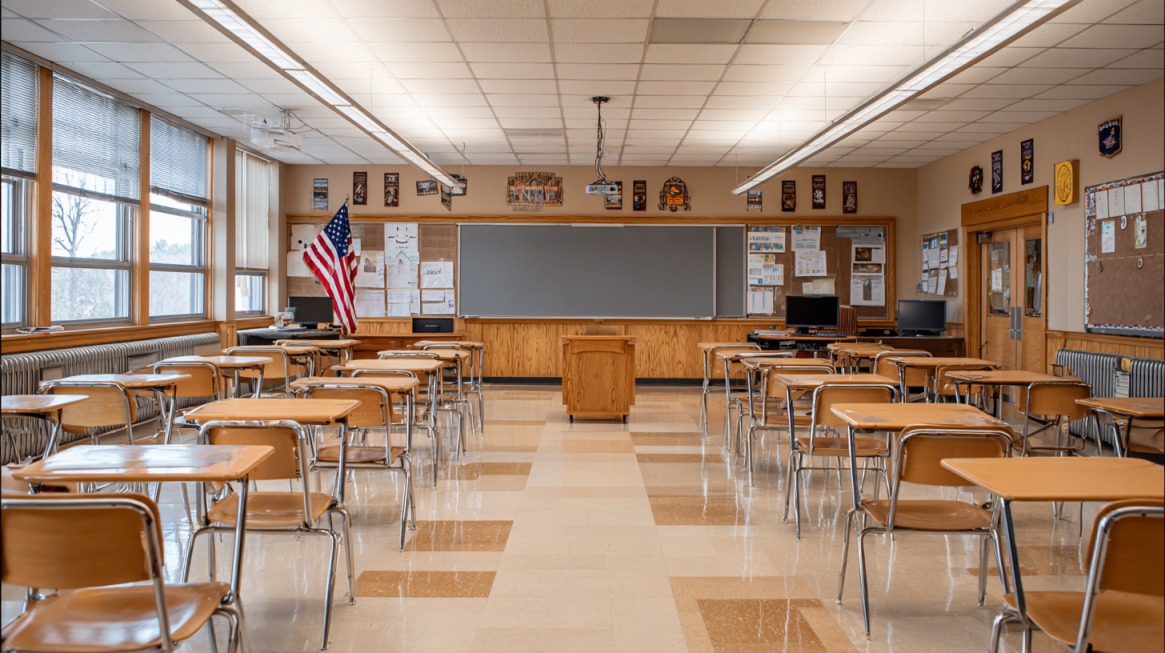
Looking past a numeric rank can help families make informed decisions. School visits, open houses, and conversations with current parents offer insight into daily routines and school climate.
Clear priorities guide the selection process. Some families prioritize small classes and individual attention. Others focus on strong athletics, arts programs, or advanced college preparation. Community atmosphere and parent involvement can also influence satisfaction.
Long-term planning matters as well. Graduation outcomes, access to special support services, and overall student well-being should factor into the decision. District reputation may open doors, yet personal fit often determines success.
Summary
Rankings provide a useful snapshot of academic performance and parent satisfaction across Wisconsin. Data points such as graduation rates, college readiness, and overall grades offer a structured comparison.
Personal visits, conversations, and careful reflection complete the picture. A top-ranked district on paper does not automatically meet every family’s needs. Careful evaluation of culture, expectations, and available programs helps families choose a district that aligns with their goals and supports their child’s growth.