





7 Best Places To Live In Wisconsin – Safest Cities, Cost Of Living, Schools, Jobs, And Quality Of Life
Wisconsin continues to rank highly for affordability, stable communities, and access to outdoor recreation.
First-time buyers, remote professionals, and retirees often prioritize locations that offer safety, strong schools, and reliable employment without excessive living costs.
Statewide options provide a wide range of lifestyles, supported by consistent infrastructure, healthcare access, and manageable commute times. Not to mention that the whole state is simply filled with countless hiking trails, which is interesting to those who enjoy this kind of activity.
Careful evaluation of economic conditions, housing data, and public services reveals several communities that outperform others across key quality-of-life indicators.
Seven locations rise to the top for 2026 based on measurable performance rather than trends or perception.
| City | Median Income | Home Value | Unemployment | Best For |
|---|---|---|---|---|
| Waunakee | $128,750 | $490,300 | 1.5% | Families, executives |
| Appleton | $75,469 | $272,735 | 3.4% | Families, retirees |
| Green Bay | $59,186 | $234,246 | 3.7% | Young professionals |
| Eau Claire | $60,834 | $252,000 | 3.2% | Creatives, families |
| Wausau | $59,259 | $219,673 | 3.6% | Outdoor lovers |
| Verona | $119,148 | $382,800 | 2.0% | Tech professionals |
| Whitefish Bay | $154,255 | $498,700 | 2.9% | Established families |
1. Waunakee, Wisconsin
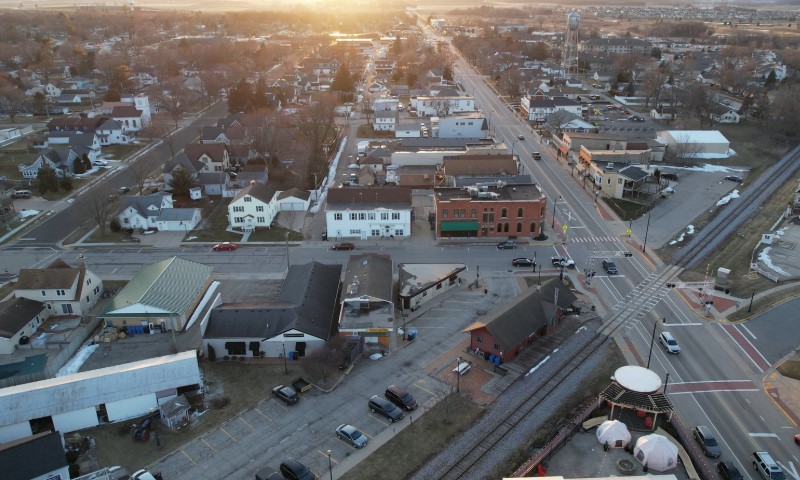
Waunakee ranks first due to extremely low crime levels, high earning potential, and consistently strong academic outcomes.
Proximity to Madison supports access to major employers, advanced healthcare, and university resources while preserving a quieter residential environment.
Key economic and safety indicators reinforce long-term stability:
- Median household income of $128,750
- Median home value of $490,300
- Crime rate of only 0.0030 per capita
- Unemployment rate of 1.5%
Public schools perform at the top tier statewide, supported by strong funding models and active parental involvement. Graduation rates exceed 95%, which clearly shows academic consistency across grade levels.
Access to UW–Madison expands opportunities in research, healthcare, and professional services, while efficient road networks keep commute times predictable.
2. Appleton, Wisconsin
Appleton provides a practical balance of affordability, employment access, and reliable public services.
Families with children often prioritize the city due to manageable housing costs paired with solid school performance and steady job availability.
Overall livability metrics illustrate why Appleton performs well:
- HOMEiA Score of 89 out of 100
- Cost of living is 11.9% below the national average
- High school graduation rate of 92%
Commute times remain under 20 minutes on average, supporting work-life balance. Local employment spans:
- Healthcare
- Manufacturing
- Higher education
Employers such as ThedaCare, Kimberly-Clark, and Lawrence University contribute to economic consistency and workforce demand.
3. Green Bay, Wisconsin
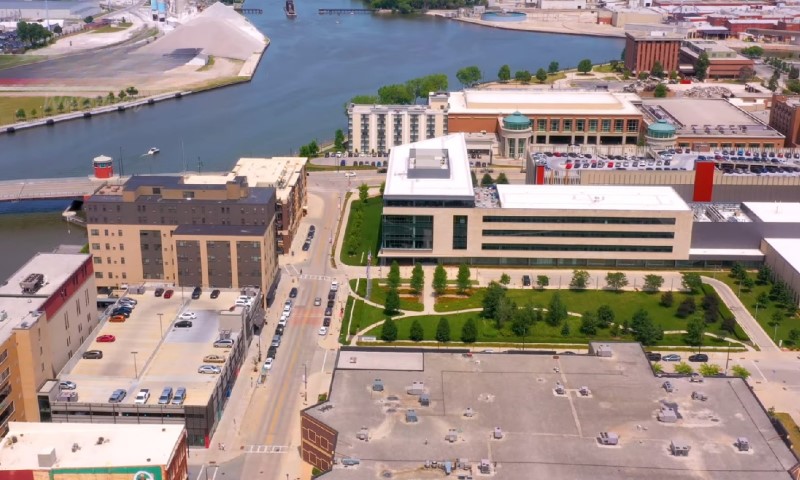
Green Bay supports affordability alongside dependable employment opportunities, making it attractive to young professionals and first-time buyers.
Housing costs remain accessible without sacrificing access to healthcare or essential services.
Housing and monthly expense data demonstrate financial practicality:
- Median home value of $234,246
- Average rent and utilities are near $1,199 per month
- Cost of living is 11.9% below the United States average
Safety levels remain competitive, with violent crime measured at 3.86 incidents per 1,000 residents.
Ongoing healthcare expansion and downtown investment sustain job growth and support long-term economic activity across multiple sectors.
4. Eau Claire, Wisconsin
View this post on Instagram
Eau Claire attracts residents seeking affordability paired with education-driven economic support.
Local colleges contribute significantly to workforce development and community stability.
Several performance indicators reinforce its position:
- HOMEiA Score of 90 out of 100
- Median household income of $60,834
- Average commute time under 18 minutes
- Property crime measures 19.25 incidents per 1,000 residents, remaining lower than the state average.
University of Wisconsin–Eau Claire and Chippewa Valley Technical College strengthen academic access, professional training, and regional employment pipelines.
5. Wausau, Wisconsin

Wausau focuses on low living costs, short commute times, and access to outdoor recreation. Budget-conscious households often gain significant savings without sacrificing core services.
Housing and cost metrics clearly reflect affordability:
- Median home value of $219,673
- Rent plus utilities is around $925 per month
- Cost of living is 15.3% below the national average
Violent crime measures 3.52 incidents per 1,000 residents. Commute times average under 16 minutes, supporting daily convenience.
Public schools coordinate closely with Northcentral Technical College to promote career readiness and technical skill development.
6. Verona, Wisconsin
Verona operates as a high-performing suburb supported by a strong technology-focused economy. Close access to Madison expands career opportunities while residential density remains manageable.
Economic indicators remain particularly strong:
- Median household income of $119,148
- Median home value of $382,800
- Unemployment rate of 2.0%
- Poverty rate consistently below 5%
Epic Systems headquarters fuels job creation, infrastructure investment, and sustained population growth.
Professionals seeking stability and advancement often prioritize Verona due to its consistent economic performance.
7. Whitefish Bay, Wisconsin
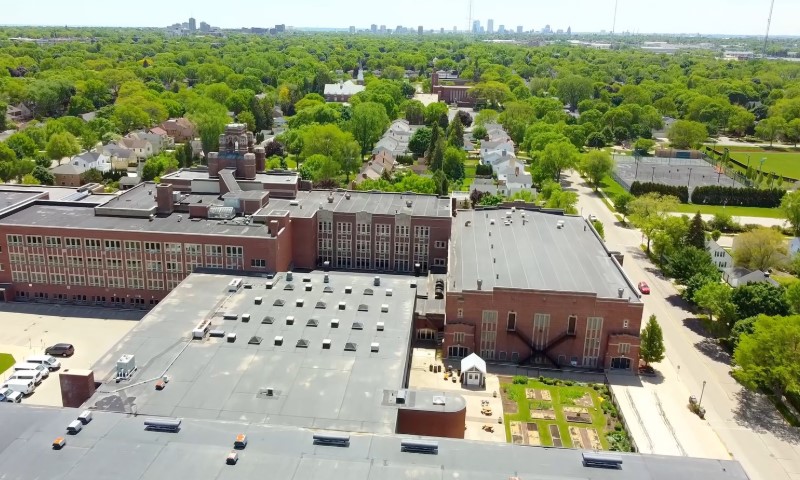
Whitefish Bay delivers high income levels, top-performing schools, and dependable suburban conditions near Milwaukee. Established professionals often select the area due to education quality and long-term neighborhood stability.
Income and housing figures show its market position:
- Median household income of $154,255
- Median home value of $498,700
Crime remains very low despite proximity to a large metropolitan area. Educational attainment ranks among the highest statewide, with a substantial share of residents holding college degrees.
Community engagement and school funding remain consistently strong, reinforcing long-term residential demand.
Key Criteria for Evaluation
Selection focused on measurable factors that directly affect daily life and long-term stability. Price alone does not determine livability, so the evaluation accounted for safety, earnings, education quality, job access, and overall convenience.
Each category relied on consistent data points to allow fair comparison across communities. Core factors used in the rankings include the following areas and metrics.
Safety focused on crime exposure at the local level, measured using reported incidents per 1,000 residents. Both violent and property crime levels played a role, since each affects housing demand, insurance costs, and overall peace of mind.
Affordability examined how far local incomes stretch relative to housing and everyday expenses. Analysis centered on:
- Median income compared to median home values
- Regional cost of living index covering housing, utilities, food, and transportation
Education performance reflected both short-term outcomes and long-term opportunities. Graduation rates served as a primary indicator, along with access to advanced placement courses, dual enrollment options, and nearby colleges or technical institutions.
Employment conditions measured economic reliability rather than short-term growth spikes. Data points included:
- Local unemployment rates
- Poverty levels
- Presence of stable industries such as healthcare, education, manufacturing, or technology
Livability addressed time efficiency and access to essential services. Average commute times, proximity to hospitals or medical networks, and availability of everyday amenities such as parks, retail, and community facilities all contributed to the overall scoring.
Combined results offered a balanced picture of which Wisconsin communities provide sustainable value, consistency, and quality of life for 2026.
Summary
Wisconsin provides multiple paths to a high quality of life without excessive financial pressure.
Lakefront suburbs, mid-sized cities, and growing communities each present viable options depending on career goals and household needs.
Long-term affordability should account for housing prices and property taxes. Commute efficiency, school quality, and healthcare access deserve equal consideration.