





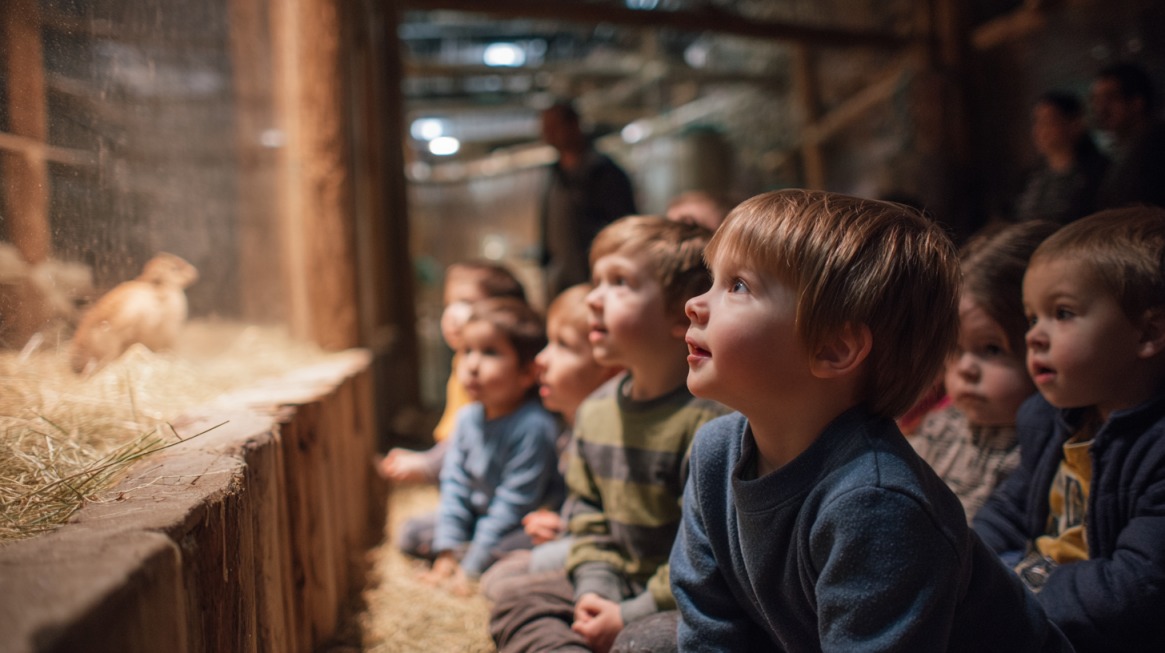
6 Wisconsin Field Trips That Actually Help Kids With Sensory Needs
Many traditional field trips can overwhelm children with sensory sensitivities. Bright lighting, loud sounds, crowded hallways, and unpredictable activity levels often create stress instead of excitement.
For students who process sensory input differently, a standard museum visit or play center outing can quickly become exhausting.
Communities across Wisconsin are responding with thoughtful accommodations that make outings more comfortable and accessible. Sensory-aware programs, reduced-noise hours, dimmed lighting, and designated quiet areas allow children to participate without unnecessary stress.
Families and educators now have options that support participation, comfort, and meaningful and fun learning experiences for all children.
With that in mind, let us discuss Wisconsin field trips that can actually be of great help to kids with sensory needs.
| Location | Environmental Adjustments | Crowd and Noise Control | Regulation Supports |
|---|---|---|---|
| Neville Public Museum | Dimmed lighting | Reduced sound levels | Limited attendance |
| National Railroad Museum | Softened lighting and sound effects | Smaller group sizes | Lowered train and exhibit volume |
| Children’s Museum of Green Bay | Lowered lighting | Reduced background noise | Limited attendance |
| Adventure Zone | Reduced lighting in calm space | Accessible pathways | Dedicated quiet retreat area |
| Sensory Club | Dim lighting in calming rooms | Controlled noise levels | Swings and padded equipment |
| Central Wisconsin Children’s Museum | Softer lighting | Quiet exhibit balance | Zen Den with calming tools |
1. Neville Public Museum – Quiet, Inclusive Days
@fredwardlooney I went to the Neville Public Museum in Green Bay for the @Ed the Diver ♬ original sound – Fr. Edward Looney
First, we want to talk about how the Neville Public Museum collaborates with the Autism Society of Greater Wisconsin to host specially adapted sessions created for children with sensory needs.
Planning for these events involves thoughtful environmental adjustments that address common sensory triggers such as bright lighting, echoing rooms, and unpredictable noise.
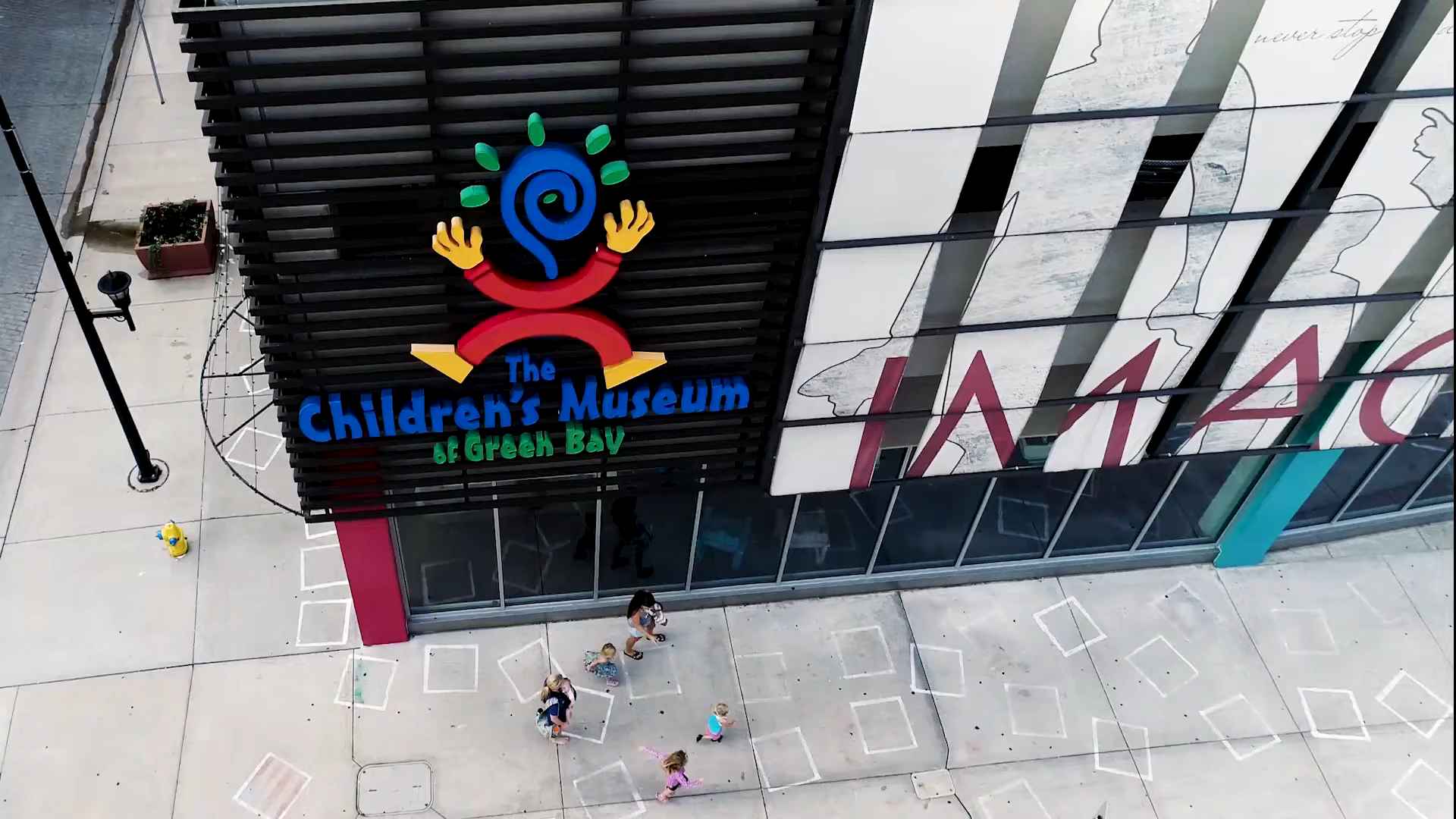
Staff members are often prepared to support families by maintaining a calm tone and allowing flexible participation. Visual stimulation is carefully moderated so that exhibits remain engaging without becoming overwhelming. Predictable conditions help children feel more secure as they move through science, history, and art displays. Calmer surroundings allow children to navigate galleries at a steady, self-directed pace. Families frequently notice that fewer distractions improve focus and participation. Interactive stations remain hands-on and educational while being presented in ways that reduce sensory overload. Greater comfort often leads to longer visits and more meaningful learning experiences. The National Railroad Museum offers quiet morning sessions structured to reduce overall sensory input. Train museums can sometimes be loud due to mechanical sounds and interactive features, so designated low-stimulus times create a more manageable setting. Lighting and sound effects connected to certain displays are softened to prevent sudden bursts of noise. Staff members remain available to answer questions while respecting each child’s comfort level. Students can spend time examining historic train cars, learning about railroad mechanics, and observing model layouts without pressure to rush. Predictable scheduling also helps families prepare children in advance. Knowing that a quieter window is reserved for sensory-sensitive guests can ease anxiety and support smoother transitions into the museum environment. The next place we want to speak about is the Children’s Museum of Green Bay, which organizes sensory-friendly play sessions designed to make interactive learning more accessible. Bright lights and layered sounds are adjusted to create a softer atmosphere during these designated times. A monthly Sensory-Friendly Night is offered free to families and welcomes children with varying abilities. Staff members support open-ended exploration without strict time limits, allowing children to engage at their own speed. Play-based learning remains central, with exhibits adapted so that audio components and visual elements feel less intense. Caregivers often value the supportive tone, where children can build structures, role-play in themed areas, and experiment with hands-on activities while feeling safe and regulated. Adventure Zone, created by the nonprofit You Belong, was developed as a fully inclusive indoor play space with accessibility as a central priority. Floor plans are arranged to reduce congestion and confusion, helping children move confidently through each area. Wide, clearly defined pathways support mobility devices and allow families to stay close together. Design elements focus on usability and comfort. Children encounter play features that encourage imagination while maintaining a manageable level of sensory input. Visual organization within the space helps reduce overstimulation and supports smoother transitions between activities. A dedicated Sensory Hideaway functions as a dependable retreat for children who need time to self-regulate. Soft seating and reduced lighting inside the Hideaway create a predictable setting where children can slow their breathing and regain focus. Caregivers can remain nearby, allowing children to step away without feeling isolated. Returning to play after a short break often feels more manageable and less stressful. Accessible paths guide families smoothly through the facility, minimizing bottlenecks and unexpected crowding. An interactive maze promotes movement and problem-solving in a structured format. Inclusive equipment supports cooperative play, giving children of varying abilities opportunities to engage together. The presence of a reliable retreat area makes it easier for families to plan longer visits without escalating stress. Sensory Club operates as a membership-based gym designed specifically for children with sensory processing differences. Physical development and emotional regulation are both prioritized within the environment. Layout decisions focus on safety, predictability, and manageable stimulation levels. Swings provide controlled motion that can help improve balance and spatial awareness. Crash pads and padded climbing features offer safe outlets for children who seek deep pressure or high-energy activity. Structured movement sessions may also support coordination and muscle strength. Calming rooms offer dim lighting, quiet surroundings, and space to reset when stimulation begins to rise. Staff and caregivers can guide children through transitions between active play and rest. The environment intentionally limits excessive noise and harsh lighting so that sensory input remains steady rather than abrupt. Predictable conditions help children shift between activities with greater ease. Central Wisconsin Children’s Museum includes a designated Zen Den sensory break area that supports children needing a quieter setting during their visit. Space is arranged to feel calm and organized, offering softer lighting and tools such as fidgets to assist with self-regulation. More than 150 interactive exhibits span science, art, music, and culture. Hands-on stations invite children to experiment, build, paint, and perform. Caregivers often plan visits in shorter segments, rotating between exhibit areas and the Zen Den to maintain balance. Access to a consistent break area increases confidence for caregivers considering longer outings. Balanced access to stimulation and rest supports sustained engagement while reducing the risk of sensory overload. Children can return to creative projects or interactive displays feeling more regulated and ready to participate. Families searching for supportive field trips are not limited to one region of the state. Several museums across Wisconsin have adopted sensory-aware practices that make visits more comfortable for children who benefit from calmer environments. Scheduled programming and inclusive design features allow students to participate in educational activities with reduced stress. Madison Children’s Museum provides scheduled sensory-friendly hours designed to create a more predictable and comfortable experience for children with sensory sensitivities. Planning around these designated times allows families to visit when environmental stimulation is intentionally reduced. Exhibit areas may feature softer lighting and lowered audio levels. Staff members are typically aware of the needs associated with sensory-friendly sessions and aim to maintain a calm, welcoming tone. Families can move through interactive spaces at a pace that supports comfort rather than urgency. Structured scheduling also helps caregivers prepare children in advance, reducing anxiety tied to unfamiliar environments. Building for Kids Children’s Museum in Appleton reflects a commitment to inclusive play and accessible learning. Thoughtful planning during development focused on creating spaces that support children who experience sensory sensitivities. Inclusive design principles shape the museum’s layout. Layout choices reduce unnecessary visual clutter, making navigation easier and less distracting. Open floor plans and clearly defined activity zones support smoother transitions between play areas. Flexible play areas allow children to engage in hands-on learning without constant background noise. Movement between exhibits feels manageable, which can help prevent sensory fatigue during longer visits. Caregivers often appreciate having room to step aside briefly without leaving the main exhibit floor, allowing children to regroup without interrupting the outing. Interest in sensory-friendly programming continues to grow across Wisconsin. Cultural and educational institutions increasingly recognize the importance of offering structured accommodations for children with varying sensory needs. Ongoing expansion of sensory-conscious programming reflects a broader effort to make educational spaces more accessible to families statewide. Contacting locations ahead of time can help confirm current schedules, available accommodations, and specific event details. Planning gives caregivers greater clarity and helps children prepare for a positive, well-supported visit. Wisconsin communities expand access for children with sensory needs through intentional design and programming. Adapted museum sessions, inclusive play centers, and designated calm zones create opportunities for engagement without overwhelming stimulation. These field trips options outlined above demonstrate that meaningful learning and fun can take place in settings that respect sensory differences. Families and educators can plan outings with greater confidence, knowing that supportive environments are available throughout the state.
2. National Railroad Museum – Low-Stimulus Mornings
3. Children’s Museum of Green Bay – Calmer Playtimes
4. Adventure Zone – Sensory Hideaway
5. Sensory Club – Regulation and Play Zone
6. Central Wisconsin Children’s Museum – Zen Den and Calm Spaces
Additional Sensory-Friendly Museum Options Across Wisconsin
Madison Children’s Museum

Building for Kids Children’s Museum in Appleton
Growing Sensory-Aware Options Statewide

Summary